



Inclave Casinos in Australia: What to Check
 Available in AU
Platform labels, login access and promotional claims do not establish that real-money casino services may be offered in Australia.

Table of Contents
- What “Inclave casino” Can—and Can’t—Tell You
- Before You Try to Log In
- No-Deposit Offers: Read the Claim, Not the Hook
- Free Spins and Chips Aren’t a Safe Shortcut
- Bonus Terms Don’t Make an Offer Available
- Promo Codes: Don’t Treat a Code as Proof
- New Names, Same Need to Check the Facts
- Inclave Login and Casino Access Aren’t the Same Thing
- “Best” Is Not a Verdict You Can Verify Here
- Slots Searches and the Australian Boundary
What “Inclave casino” Can—and Can’t—Tell You
The phrase “Inclave casino” can sound like a useful label, but it does not tell you whether an online casino may serve people in Australia. A name, platform association or Australian-facing page is not authorisation. I used to treat a polished brand as a sign that someone had checked the basics. That was a poor shortcut.
The legal starting point is clear. Under the Interactive Gambling Act 2001, operators cannot provide real-money online casino games to people physically in Australia. The law was amended in 2017 to make that prohibition explicit. It concerns the service being supplied to Australians, not whether a website calls itself local or uses familiar wording.
That distinction matters when you come across a list described as Australian. “Australian” might refer to the intended audience, the currency shown, or simply the words used in a page title. None of those details changes the rule. Nor does the word “Inclave” establish that an operator is authorised to offer casino games here.
The law targets the supply of prohibited services, rather than making individual players its focus. Australian online gambling rules mainly apply to operators. That is not the same as saying an offshore casino is lawful to use: the operator’s position and the player’s position are separate questions. I find that less confusing once I stop treating a site’s availability as proof of permission. Access is not approval.
The Australian Communications and Media Authority, or ACMA, actively blocks access to offshore gambling sites. So a service appearing online, or being mentioned in a list, cannot be taken as evidence that it is permitted or reliably available to Australians. A site’s status can also be hard to infer from its branding alone. A familiar label does not settle who is providing the service or where it is allowed to operate.
I would separate three ideas that often get muddled: a name, an access route and legal permission. A name identifies what a page calls itself. An access route may let someone reach a service. Permission is a legal question, and the first two do not answer it. It is easy to see a page that looks tailored to Australians and assume the operator has cleared the legal ground. I have made that leap before. It proves nothing.
So an “Inclave casino Australia” label should be read as a description someone has chosen, not as a finding about Australian legality. The same applies to a list of casinos associated with that label: inclusion in a list does not establish that any named service may provide real-money casino games to people here. A list can organise names; it cannot grant permission.
If you are trying to work out what the label means, keep the legal boundary in view before weighing any other detail. In Australia, the central issue is whether an operator is providing prohibited online casino games to people in the country. The branding may catch your eye. It does not change the law.
Before You Try to Log In
When I see a sign-in screen, my first instinct is still to treat it as a small green light: the page loads, the form looks familiar, so surely the service is ready for me. That is an easy mistake to make. A login prompt can tell you that a website has an account area. It cannot tell you whether the operator is allowed to provide its casino service to someone in Australia.
That distinction matters more than the wording around the button. “Online access” describes a way to reach a page; it says nothing, by itself, about the legal status of the gambling service behind it. A working account, saved password or successful sign-in would not change the rules that apply to the operator. Nor does a page being visible on your device amount to approval from Australian authorities.
The legal boundary is about supply. Under the Interactive Gambling Act 2001, operators cannot provide real-money online casino games to people physically in Australia. The law targets the operator offering the service, rather than making the player the focus of enforcement. So if you are checking an Inclave casino login, the useful question is not simply whether the login page opens. It is whether the operator may provide that casino service to Australians at all.
Legal Boundary
Under the Interactive Gambling Act 2001, operators cannot provide real-money online casino games to people physically in Australia.
I used to blur those things together. If a site had a polished account page, I read that as a sign somebody had checked the important details. That was wishful thinking. A neat interface can make a service feel settled and legitimate, but design is not permission. Neither is the presence of account instructions, a help page or a message saying access is available.
The same goes for a shared sign-in label. It may be tempting to assume that a recognisable login name means the casino itself has been vetted for Australia. It does not. A login mechanism and an operator’s authority are different questions. I would not infer anything about Australian availability from the wording on a sign-in page, or from another site referring to the same login brand. The label alone cannot answer the legal question.
There is also a practical reason not to treat access as proof. The Australian Communications and Media Authority blocks offshore gambling websites, so a page that fails to load may reflect a restriction rather than a problem with your device or password. And if a page does load, that still does not establish that the operator is permitted to serve people here. Access can vary; the legal rule does not turn on whether a particular screen appears for you.
A specialist review has also described ACMA as pursuing action against operators that target Australian players. That is a claim about enforcement activity, not a reason to assume every offshore site is being handled in the same way or on a fixed timetable. The point for a reader is simpler: enforcement is directed at the supply of prohibited services, and a login screen is no shield for an operator.

I would be wary of advice that turns the task into troubleshooting: try another browser, use a different device, or look for another route into the account. That kind of guidance makes a technical obstacle sound like the only issue. It can push you towards access without answering whether the service should be offered to you in Australia. I’m not going to provide a sign-in route or walk you through getting around a block. That would confuse access with permission.
If you already have an account, don’t assume that its existence settles anything either. Registration, a stored password and a successful sign-in are facts about account access. They do not establish that an operator may lawfully provide real-money casino games to Australians. If the page gives you a legal-sounding assurance, check what it actually says and who it applies to; reassuring language is not the same thing as a change to Australian law.
I now try to keep the questions separate. Is there an account page? Is the service reachable? Is the operator allowed to provide the gambling service to people in Australia? Only the last one addresses the legal boundary, and a login screen cannot answer it. A site can make access look routine while leaving the important issue untouched.
That’s the distinction.
18+ | Gambling can cause harm.
No-Deposit Offers: Read the Claim, Not the Hook

Attention: A “no-deposit” label is a promotional claim and does not establish that a service is available on lawful terms in Australia.
Under the Interactive Gambling Act 2001, operators cannot provide real-money online casino games to people physically located in Australia. The prohibition is aimed at the operator supplying the service, not at the player. So a promotion does not become lawful just because it is described as free, carries no

That distinction is easy to miss when a page is built around the hook. I’ve learned not to let a neat headline do the thinking for me. “No deposit” describes a promotional claim; it is not a local approval, a guarantee that the offer can be used, or proof that the service is available on lawful terms. The label is marketing. The legal position is separate.
What the wording actually tells you
At most, the phrase suggests that a promotion is being advertised as not requiring an initial deposit. It does not verify who is behind the page, whether the offer is genuine, or whether the advertised service may be supplied to Australians. A code mentioned beside the claim does not fill those gaps either.
That matters when a page calls itself a list of new offers or labels one option the “best” no-deposit bonus. Those words are not evidence. A page can look current and confident while still leaving the central issue untouched: an offshore operator cannot make a prohibited service permissible by putting a promotion in front of it.

I would treat a banner, a copied description, or a code field as a claim to assess, not an invitation to act. The more urgent the wording feels, the more useful it is to pause. A countdown, a prominent button, or a promise of something for nothing can pull attention away from the question of whether the service itself may be offered here.
Australia is not a footnote
The law applies to the provision of real-money online casino games to people in Australia. It does not turn on whether the operator calls an offer a welcome gift, a bonus, or a no-deposit deal. Nor does a promotion change the status of the underlying service.
ACMA enforces the prohibition, including by blocking offshore gambling websites and pursuing legal action against operators targeting Australian players. A specialist gambling review also describes ACMA as actively targeting prohibited services. A blocked page or a changing domain should not be read as reassurance that access is allowed; it says nothing that would undo the legal restriction.
I’m not suggesting you need to investigate every bit of promotional copy as if it were a legal document. The more basic point is enough: the existence of an advertised deal does not establish that an operator can lawfully provide online casino games to people here. A polished page is still only a page.
Don’t let “free” do the work
The phrase can make the offer feel detached from money, but it still sits within a real-money online casino service being promoted. That is why I would not use the

- Treat “free” offers as marketing hooks
- Keep the legal boundary in view
- Separate visibility from permission
- Use absence of deposit as a safety shortcut
- Assume a code proves lawful availability
- Mistake a promotional claim for approval
There is also a practical difference between seeing an offer and being entitled to use the service behind it. A promotion might be visible to an Australian reader without being a lawful offer for that reader. Visibility is not permission. A code is not permission either.
I used to take promotional language as a kind of informal promise: if a site displayed a deal, surely it was meant for me. That is a poor assumption. The presence of a claim tells you what someone wants you to notice. It does not settle what the operator is allowed to do.
If you are checking a no-deposit claim, keep the question narrow: does this advertising prove that the operator may provide casino games to Australians? It does not. That is the point worth holding onto before the promotional wording takes over.
18+ only. Gambling carries risk. If gambling is affecting you or someone close to you, seek support from Gambling Help Online.
Free Spins and Chips Aren’t a Safe Shortcut
“Free spins” sounds harmless at first glance. So does a free chip, a coupon, or a sign-up perk that appears to let you try an account without paying upfront. I’ve learned not to treat the word “free” as a meaningful answer to the bigger question: what service is being offered, and to whom?
A free-to-start offer can still sit inside an online casino service. If the offer is attached to real-money casino games, changing the first step from a deposit to a promotional credit does not change the legal position. Under the Interactive Gambling Act 2001, operators may not offer real-money online casino games to people in Australia. The wording on a banner does not make that service lawful.

That distinction matters when a page describes free spins or chips as a way to “try before you play.” Those phrases tell you how the promotion is being presented; they do not establish that the operator may provide casino games to people here. A coupon code is no different in that respect. It may be a route to an offer, but it is not permission to provide the underlying service.
I used to read the attractive part first and leave the awkward detail for later. It was an easy way to mistake a marketing hook for useful reassurance. Now I pause at the basic premise: if the offer leads into online casino games offered to people in Australia, the fact that the first click costs nothing does not remove the legal issue.
Nor does a sign-up label settle it. A welcome credit, a free chip, or a bundle of spins may sound like a separate little perk, but the label alone cannot tell you whether the service behind it is available to Australians. I’m not treating a free offer as safer simply because it avoids asking for a payment at the start. That is the wrong test.
The same goes for reviews that call a promotion generous, easy to claim, or a good way to test a site. Those are descriptions of an offer, not proof that an operator can legally provide online casino games here. You can read plenty of confident language and still be left with the same unanswered question. Promotional wording is not a legal check.
Free spins, chips, or sign-up perks do not change the legal position if they are attached to real-money casino games offered to people in Australia.
So if you came looking for an Inclave casino free-spins coupon or a free chip code, don’t let the “free” part do the thinking for you. I’m not going to point you toward a promotion or a game. The important boundary is simpler: free-to-start wording does not change the rules for real-money online casino games offered to people in Australia.
Keep it plain. No shortcut.
18+ only. Gambling can cause harm.
Bonus Terms Don’t Make an Offer Available
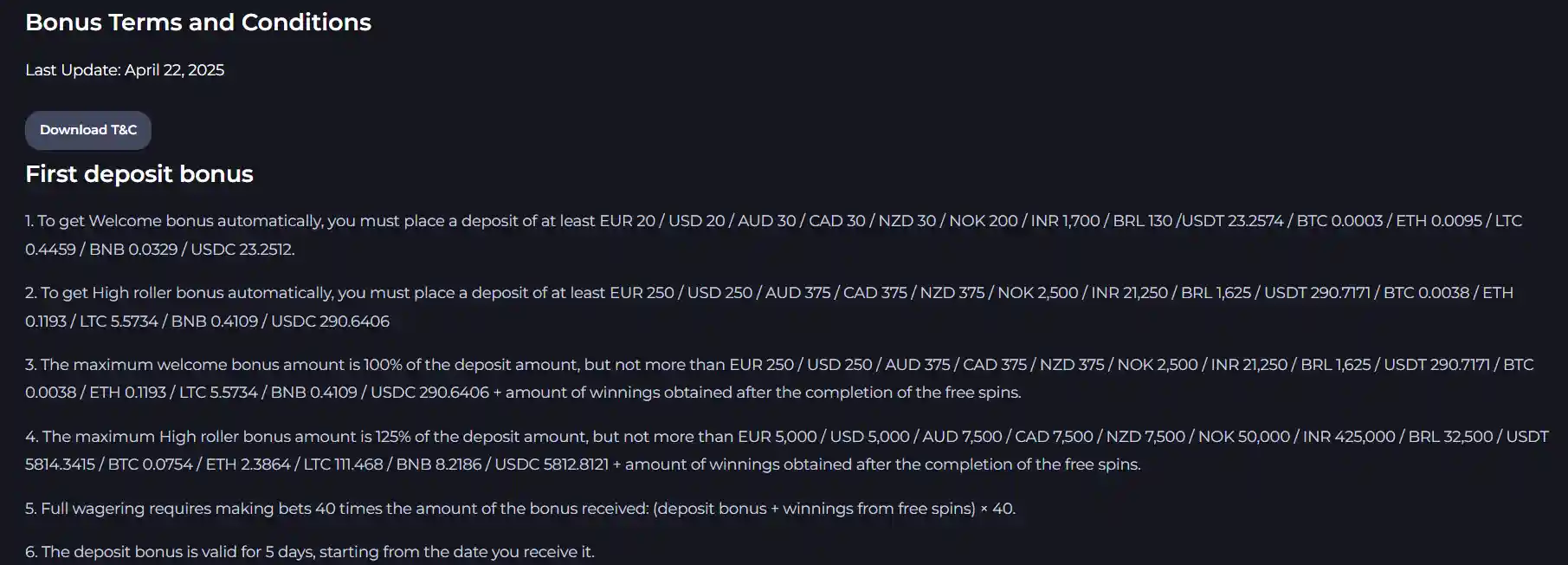
A bonus page can look reassuringly precise. It may spell out who qualifies, what counts as a qualifying deposit, how winnings are handled and when an offer ends. That detail can make the offer feel settled. It isn’t evidence that the service may lawfully be offered to you in Australia.
I’ve learned not to treat polished wording as proof. Terms describe the conditions an operator says apply to an offer; they do not change the rules governing the service itself. The Interactive Gambling Act 2001, amended in 2017, prohibits providing online casino games to people in Australia. A page that carefully explains an Inclave casino bonus does not override that prohibition.
That distinction matters even when the wording appears to address Australian customers directly. A reference to Australian dollars, local payment methods or Australian visitors is not permission to provide online casino games here. Nor does a detailed explanation of bonus eligibility establish that the offer is lawful for a person physically in Australia to use.
Read terms for what they say—and no more
Bonus conditions can still tell you something about the operator’s stated rules. They may describe how an offer is presented and what the operator expects from someone who accepts it. But they cannot answer the more basic question: whether the operator may provide the underlying casino service to people in Australia.
This is where I used to make the wrong leap. If a page had a full set of conditions, I took that as a sign that someone had checked the important things. It was only a sign that the page had been written. Not the same thing.
A no-deposit bonus does not get a different legal status just because the terms are short, generous-sounding or framed as a welcome offer. The wording may explain the promotion as the operator presents it, but it cannot turn a prohibited service into an authorised one. A clear set of rules is still just a set of rules.
The same goes for fine print that appears to limit who can participate. Such language may define the operator’s own offer, but it is not a ruling on Australian law. Don’t read a condition as official approval, and don’t assume that being able to meet the stated criteria settles whether the offer can lawfully be used here.
The key distinction
When you see terms attached to an Inclave casino bonus, separate two questions: what does the operator say the offer requires, and may the operator provide online casino games to people in Australia? The first is answered by the promotion’s wording. The second is not.
That may sound like a small distinction when a page is full of detail. It isn’t. Terms can be specific without being proof of availability. The legal position remains the same whether the offer is called a casino bonus or a no-deposit bonus.
Bonus Terms
Detailed bonus conditions define an offer but cannot grant legal permission to provide casino services in Australia.
If the wording feels official, pause before treating it as a green light. Fine print can define an offer. It cannot grant permission. Different jobs.
18+ only. If gambling is causing harm, seek support from Gambling Help Online.
Promo Codes: Don’t Treat a Code as Proof
A code can look like a small, harmless detail: a string to enter at a casino described as “Inclave-powered”. I’ve learned not to read that as reassurance. A promo code, coupon code or free-spins code is a marketing device. It does not show that the operator is allowed to provide online casino games to people in Australia.
That distinction matters more than the wording around the code. The Interactive Gambling Act 2001 prohibits operators from providing real-money online casino games to people located here. The law is aimed at the supply of the service, not at punishing an individual player for using it. So a code being displayed, accepted or sent to you would not turn a prohibited service into a permitted one.
The same goes for casinos that say they use Inclave. That label, by itself, tells you nothing about whether a particular operator may serve Australians. And a code attached to the label proves even less. “Exclusive” means the promotion has a marketing hook; it is not a legal status.
I used to treat polished details as signs that someone had checked the important things. They aren’t. A code can be copied across pages, attached to a changing offer, or promoted without telling you who is responsible for the underlying service. Even a page that looks current cannot make the offer lawful. That’s the catch.

ACMA targets prohibited services, according to a specialist review; that is a description of enforcement activity, not a promise that every site will be blocked or that a particular code or operator has been assessed. Don’t mistake a working page or a functioning code for official approval. Access and permission are separate questions.
If you are looking at a coupon or promo code, pause before handing over personal or payment details. Check what the operator is offering and where it says the service is available, but don’t treat its own promotional wording as an Australian authorisation. If the offer is framed around real-money online casino play for people here, the code does not change the legal position.
I won’t provide codes or point you towards a claim page. A code is not a shortcut around the rules, and it is not evidence that a casino can lawfully serve you in Australia.
18+ only. Online casino gambling can cause harm. If gambling is affecting you, contact Gambling Help Online for support.
New Names, Same Need to Check the Facts
A new name can make an old question feel like a fresh opportunity. I’ve learned not to treat a recently spotted brand or web address as evidence that anything important has changed. A different domain may point to a different page, but it does not establish that an online casino service can lawfully be offered to people in Australia.
That distinction matters with claims about new Inclave casinos in Australia, too. A name appearing in a directory, post or advertisement is not proof of Australian availability. Nor does a site loading on your device settle the issue. The Interactive Gambling Act 2001 prohibits operators from providing real-money online casino games to people in Australia; a new label cannot alter that rule.
New Domains
A new brand name or web address is a marketing description and not a licence or official approval for Australian availability.
Domains can also come and go. The Australian Communications and Media Authority blocks access to offshore gambling sites, so a website’s availability may change. One specialist gambling review reported that ACMA added more than 500 domains to its block list in 2025. That is a dated report, not a promise about what is blocked now or a way to identify the status of any particular address.
I used to read “new” as “not yet checked,” which sounds harmless until you realise it can also be used to make an offer feel urgent or exclusive. A fresh domain is not a licence, an approval or a reliable sign that the service is intended for Australians. And a list that calls itself current cannot make that claim true just by using the word “current”.
If you come across a newly named casino, pause before giving it your details or money. Look for what the claim actually proves: a brand name and a working webpage are just that. They do not answer whether the operator may provide online casino games here. No shortcut there.
I still understand the pull of something unfamiliar; curiosity is how I’ve ended up checking plenty of things I should have questioned first. But “new” is a marketing description, not a safeguard. Treat it as a reason to verify the underlying claim, not as a reason to hurry.

18+. Gambling can cause harm. For support, contact Gambling Help Online.
Inclave Login and Casino Access Aren’t the Same Thing
When you see a casino described as using Inclave login, the claim can tell you something narrow: Inclave is being presented as part of how users access that service. It does not, by itself, tell you who runs the casino, whether the service is available to people in Australia, or whether it has legal approval here.
I’ve made the mistake of treating a familiar sign-in label as a kind of endorsement. It isn’t. A way to enter an account is an access mechanism, not proof that the business behind it may lawfully provide casino games to Australians. The label can’t carry that weight.
That distinction matters whether you’re trying to work out which casinos use Inclave or considering an online casino for real money. Even if a login works, that only settles the practical question of access at that moment. It does not change the Australian legal position: under the Interactive Gambling Act 2001, operators cannot provide real-money online casino services to people in Australia.
How ACMA enforces rules
The Australian Communications and Media Authority blocks offshore gambling websites and pursues legal action against operators that target Australian players.
A functioning page can still create a false sense of certainty. Offshore gambling sites may be blocked, and ACMA enforces the prohibition by blocking sites and taking legal action against operators targeting Australian players. So a working sign-in, or a page that appears accessible, should not be read as evidence that the service is permitted.
That’s the line I now keep in mind: technology answers “how do I get in?” It does not answer “may this operator offer this service here?” Those are different checks, and one cannot stand in for the other. A login label is not a licence, a local approval, or a guarantee of lawful availability.
If a site leans on a shared login name to make the whole service look established, I’d separate the branding from the facts. Don’t infer technical features from the name, either; the label alone doesn’t establish how account creation or sign-in works. It simply doesn’t settle the point that matters for an Australian user.
Access isn’t approval.
“Best” Is Not a Verdict You Can Verify Here
If you’re looking through an Inclave casinos list for Australia in 2026, check the available operator details before deciding which options to explore. This reference highlights the licensing or payment information provided for each entry.
License: Curacao eGaming (Roby Games Ltd) Roby Casino is listed with a Curacao eGaming license held by Roby Games Ltd. You can use that detail as a starting point when checking its licensing information.
License: Curacao eGaming OGL/2023/174/0082 (Dama N.V.) · Min. deposit: A$15 LevelUp Casino lists a Curacao eGaming OGL/2023/174/0082 license held by Dama N.V. Its stated minimum deposit is A$15.
License: Curacao – Antillephone N.V. (Versus Odds B.V.) · Min. deposit: EUR 20 Thor Casino lists a Curacao license from Antillephone N.V., with Versus Odds B.V. named. The stated minimum deposit is EUR 20.
Payout speed: crypto 30-120 minutes, fiat 24-72 hours · Min. deposit: A$30 MrPacho’s stated payout times are 30–120 minutes for crypto and 24–72 hours for fiat. Its minimum deposit is A$30.
License: Curacao Gaming Control Board OGL/2023/176/0095 (Hollycorn N.V.) Neospin lists a Curacao Gaming Control Board OGL/2023/176/0095 license held by Hollycorn N.V. You can check that licensing detail when assessing the casino.
License: Curacao Gaming Control Board (TechSolutions Group N.V.) Bizzo Casino lists a Curacao Gaming Control Board license, with TechSolutions Group N.V. named. That licensing information is the available point of note.
License: Curacao Gaming Control Board OGL/2023/176/0095 (Hollycorn N.V.) Rollero Casino lists a Curacao Gaming Control Board OGL/2023/176/0095 license held by Hollycorn N.V. You can use the stated license details as a reference.
License: Curacao Gaming Authority (Jumpman Gaming Ltd) DragonSlots Casino lists a Curacao Gaming Authority license held by Jumpman Gaming Ltd. The license is the available detail to consider for this entry.
License: Curacao Golden Pokies is listed with a Curacao license. No further operator details are provided here.
License: Curacao OGL/2024/1335/0780 · Min. deposit: EUR 20 Vegaz Casino lists a Curacao OGL/2024/1335/0780 license. Its stated minimum deposit is EUR 20.
“Best” looks like a useful shortcut. I used to read it as if somebody had compared the important things and reached a clean verdict. In practice, it is just a claim until you know what was assessed, who made the call and whether the service can lawfully be offered where you are.
That matters with casino brands associated with Inclave, too. A polished page, confident wording or a list of bonuses and games does not establish that an operator is suitable for Australians. Nor does a ranking label turn an unavailable or prohibited service into a lawful one. I won’t dress an endorsement up as a neutral comparison.
The legal point is straightforward: under the Interactive Gambling Act 2001, operators cannot offer real-money online casino games to people in Australia. Australian online gambling rules mainly target the operator, rather than the individual player. So “best” cannot sensibly mean “best place for you to play” when the underlying service is one operators are prohibited from providing here.
I’ve learned to be wary of rankings that skip that distinction. A page can put one name above another and still leave the central question unanswered: is the operator permitted to provide this service to people in Australia? A favourable score, a popular-looking brand or a stack of promotional claims cannot answer that for you.
No ranking here. That is not coyness; it is the difference between describing a claim and endorsing a casino. If you see a list elsewhere, treat its “best” label as an opinion, not a legal finding or a guarantee about the service. The word does not do the checking for you.
And the same goes for promises attached to games or bonuses: they do not make the service lawful. I’m not going to point you towards an operator under the cover of a ranking. “Best” is still just a label.
18+ only. Gambling can cause harm.
Slots Searches and the Australian Boundary
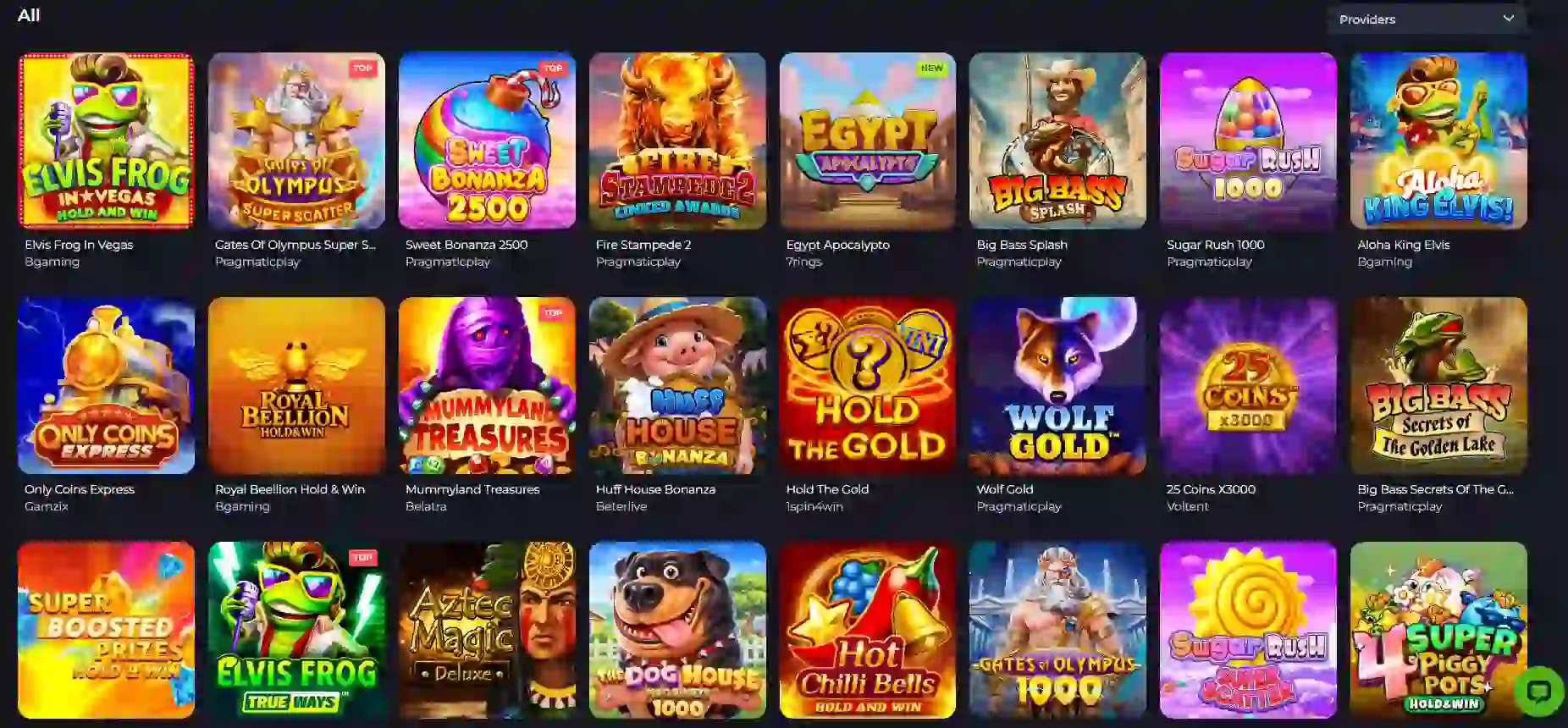
A page may describe its catalogue as

The legal line is about provision. The Interactive Gambling Act 2001, amended in 2017, prohibits providing online casino games to people in Australia. That covers casino-style games whether a site

A search for casinos using Inclave may turn up pages that group games under a shared label. That is not evidence that those casinos can lawfully provide games to Australians, and it is not a reason to infer that their catalogues are verified. I can see why a tidy list feels useful; I have learned not to confuse a polished page with a meaningful check. Labels are easy. Legal permission is not implied by them.
So if you land on a page presenting an Inclave casino catalogue, keep the key point in view: the issue is not whether a game appears in a menu, but whether an operator is providing online casino games to people in Australia. A title, thumbnail or “play” button cannot settle that question. Neither can a

This section is not a recommendation to browse for, access or play those games. It is a boundary, not a catalogue. Don’t let familiar wording make a prohibited service look ordinary.
18+ only. Gambling can cause harm. If you need support, contact Gambling Help Online.
How do I know if a casino actually supports Inclave login?
A login label or working sign-in does not confirm that the operator is authorised to provide casino games to people in Australia. The login mechanism and the operator’s legal permission are separate matters.
How long do withdrawals take from an iPad casino?
Withdrawal timing depends on the payment method, not the iPad: e-wallets may be processed within 24 hours, while card withdrawals can take 3–5 business days. After approval, PayID and some e-wallet or crypto withdrawals may arrive within minutes to hours.
Do casinos use apps or mobile sites?
Both are used: some casinos offer iPad apps, while nearly all casino sites have a mobile site that works in an iPad browser. Many Australian mobile casinos are accessed through a phone or tablet browser.
Prepared by the JeetCity Casino editorial staff.