



Uptown Pokies Casino Australia: Bonus Terms and Access
 Available in AU
A practical look at how bonus activation, wagering conditions and account checks can affect access to winnings and withdrawals.

Table of Contents
- What the ‘bonus’ offer really asks of you
- Free spins sound simple. The winnings aren’t cash
- Uptown Pokies in Australia: the legal line
- A review that looks past the sales pitch
- Playing online or on mobile: what changes?
- Login, verification and the withdrawal step
- AUD payments: check the route and the wait
- Is Uptown Pokies safe to use from Australia?
- The Uptown Pokies app: access without guesswork
- Inside the lobby: games, spins and randomness
What the ‘bonus’ offer really asks of you
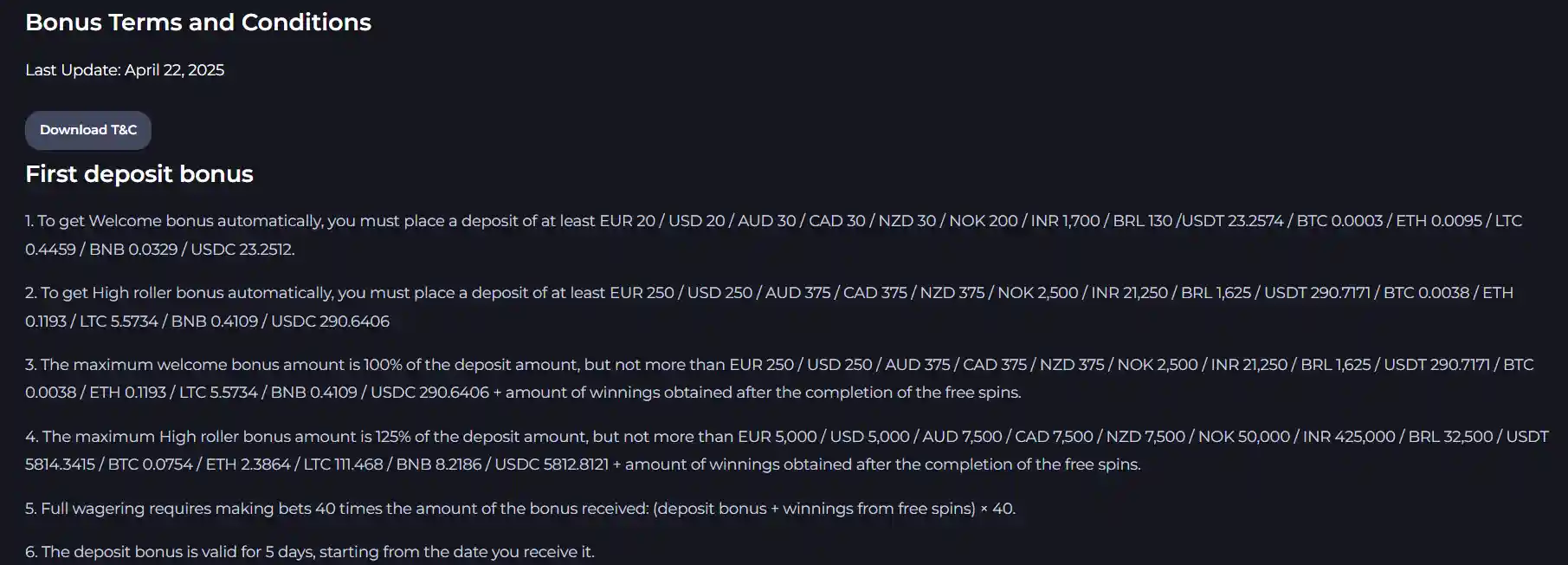
A welcome bonus looks like a gift until you read the terms. I used to focus on the headline—“matched deposit”, “bonus cash”—and treat the small print as a formality. That was backwards. The offer is a set of conditions: what you must do to claim it, which funds the conditions apply to, and when those funds can be withdrawn.
Start with the activation step. A promotion may require you to opt in, select it in your account, or enter a code while depositing. Don’t assume that registering an account is enough, or that a bonus will attach itself afterwards. Check the promotion’s instructions before making a deposit, then confirm that the offer appears as active. If the code field is optional, find out whether leaving it blank means you miss the offer or accept a different one. A deposit made first can be hard to undo.
Next, separate the deposit from the bonus. A match offer may add promotional funds to your balance, but that does not make the added amount cash you can immediately withdraw. The wagering requirement is the central condition: it states how much must be wagered before bonus-derived winnings become withdrawable. Check whether the requirement applies to the bonus amount, the deposit, or both. The difference can change the workload substantially.
Choosing an online casino from Australia calls for checking the details that are available before you decide where to play. Use these short verdicts as a starting point for reviewing the listed operators.
License: Curacao eGaming (Roby Games Ltd) Roby Casino is listed with a Curaçao eGaming license held by Roby Games Ltd. This gives you a specific licensing detail to consider.
License: Curacao eGaming OGL/2023/174/0082 (Dama N.V.) · Min. deposit: A$15 LevelUp Casino lists a Curaçao eGaming OGL/2023/174/0082 license held by Dama N.V. Its minimum deposit is A$15.
License: Curacao – Antillephone N.V. (Versus Odds B.V.) · Min. deposit: EUR 20 Thor Casino lists a Curaçao – Antillephone N.V. license held by Versus Odds B.V. The stated minimum deposit is EUR 20.
Payout speed: crypto 30-120 minutes, fiat 24-72 hours · Min. deposit: A$30 MrPacho lists crypto payouts at 30–120 minutes and fiat payouts at 24–72 hours. Its minimum deposit is A$30.
License: Curacao Gaming Control Board OGL/2023/176/0095 (Hollycorn N.V.) Neospin lists a Curaçao Gaming Control Board OGL/2023/176/0095 license held by Hollycorn N.V. This is the available licensing detail to review.
License: Curacao Gaming Control Board (TechSolutions Group N.V.) Bizzo Casino lists a Curaçao Gaming Control Board license held by TechSolutions Group N.V. The listed information provides a licensing detail for your consideration.
License: Curacao Gaming Control Board OGL/2023/176/0095 (Hollycorn N.V.) Rollero Casino lists a Curaçao Gaming Control Board OGL/2023/176/0095 license held by Hollycorn N.V. This is the available licensing detail to review.
License: Curacao Gaming Authority (Jumpman Gaming Ltd) DragonSlots Casino lists a Curaçao Gaming Authority license held by Jumpman Gaming Ltd. You can use this as a starting point when checking the operator.
License: Curacao Golden Pokies is listed with a Curaçao license. No further licensing details are provided here.
License: Curacao OGL/2024/1335/0780 · Min. deposit: EUR 20 Vegaz Casino lists a Curaçao OGL/2024/1335/0780 license. Its minimum deposit is EUR 20.
A specialist review describes one specific offer with a 35x wagering requirement on a $100 bonus. In that example, the player would need to place $3,500 in bets before withdrawing winnings derived from those bonus funds. That figure belongs to that offer, not to every promotion carrying the Uptown name. The useful lesson is to check the calculation itself: identify the amount used as the base, then work out what the stated multiple means in actual wagering.
Read the rest of the terms alongside that figure. Look for the time allowed to meet the requirement, whether a maximum bet applies while bonus funds are active, and which games count towards wagering. Also check what happens if you withdraw your deposit early or switch between

Deposit promotions deserve the same scrutiny as sign-up offers. A larger match is not automatically better if it comes with a higher wagering burden or tighter conditions. Compare the amount you must deposit with the bonus amount, then read how the requirement is calculated. If the terms do not make the base clear, pause before opting in. Guessing is not a strategy.


The payment method can matter to eligibility, too. If you are looking for a promotion tied to a particular deposit route, check that the terms name that method and explain whether it qualifies. A Neosurf-related offer, for instance, should be confirmed in the promotion rules rather than inferred from a general deposit page. The same applies to a birthday promotion: check how to activate it, what account conditions apply, and whether it has a wagering requirement of its own.
I’ve learned not to judge an offer by its banner. I open the terms first, find the activation instruction, and trace the bonus from credit to withdrawal. If I can’t tell when the requirement starts or what balance it applies to, I leave the promotion alone. No mystery prize is worth a money decision made on a guess.
Keep a record of the promotion you accepted, including its terms as displayed at the time. That gives you something to compare against the bonus balance and wagering progress later. Check that the credited amount matches the offer, and that the account shows the promotion as active before you start wagering. If anything differs, use the site’s stated support channel before placing bets; once play begins, it can be harder to explain what you expected.
The cleanest way to assess a sign-up or deposit bonus is to reduce it to three questions: what action activates it, what amount the wagering requirement is calculated on, and what must happen before bonus-derived winnings can be withdrawn. If any answer is unclear, the headline figure tells you very little. Read first. Decide second.
- Check the promotion’s instructions before making a deposit
- Confirm the offer appears as active
- Identify the base amount for wagering calculations
- Keep a record of the accepted terms
- Assume registering an account automatically activates a bonus
- Treat the word “bonus” as money you already own
- Guess the wagering requirements if they are unclear
- Judge an offer solely by its banner
Free spins sound simple. The winnings aren’t cash
“Free” sounds like a clean win: tap the spins, land something, and take it out. I used to read the headline that way. The part I missed was what happens after a spin pays. A promotional win can be credited as bonus funds rather than cash, which means it may not be ready to withdraw.
A specialist review reports that winnings from promotional spins are credited as bonus funds and carry their own wagering requirement, which may be higher than the requirement attached to other bonus funds. That is a description from one review, not a rule you can assume applies to every promotion. The offer’s terms are what matter. Check the wording for the specific spins or chip before you opt in.
The distinction is practical. A balance can show a win without that amount being withdrawable. If the terms say the credited funds must be wagered first, you need to understand what counts toward that requirement and whether it applies to the spin winnings, the bonus balance, or both. Don’t treat a figure displayed in your account as cash until the promotion explains how it can become withdrawable.


The label can be slippery. “Free spins” may refer to a set of promotional plays, while a “free chip” may be a different kind of promotional credit. Those names alone do not tell you how winnings are credited or what conditions apply. Read the promotion’s own terms, not just the banner or message announcing it. If the rules are hard to find, unclear, or do not explain the treatment of winnings, I would not count the offer as usable value.
For Uptown Pokies promotions, look for the details that connect the offer to your balance: what triggers the promotion, which games or spins it covers, how winnings are credited, and what must happen before withdrawal. This is not about judging whether the headline sounds generous. It is about finding the point where promotional value stops being promotional and becomes money you can actually request.
I have learned not to plan around a displayed win. First, confirm whether the spins are available to you and whether you need to activate anything; then read the terms attached to that specific offer. Keep the spin result separate in your mind from cash balance until the conditions say otherwise. If the promotion includes a free chip, apply the same caution rather than assuming it follows the same rules as spins.
The useful question is not “How much could this pay?” It is “What form will a win take, and what must I do before it can leave the account?” That answer can change the value of the offer completely.
Read the small print first. Then decide.
Attention: Promotional winnings from spins are often credited as bonus funds with their own wagering requirements and are not immediately withdrawable cash.
Uptown Pokies in Australia: the legal line
When I first looked into offshore pokies, I made the mistake of treating “available to play” and “legal to offer” as the same thing. They are not. Australia’s rules draw the line mainly around the operator: the Interactive Gambling Act 2001 restricts the provision of casino-style online games to people in Australia, including pokies, roulette and blackjack.
That distinction matters when you are considering a name such as Uptown Pokies. The law is not a blanket statement that every person who visits an offshore casino site is committing an offence. It is the operator’s act of providing the prohibited service to people in Australia that the Act targets. So the legal position of the provider and that of an individual player are not interchangeable.
What the restriction means
An Australian-based company cannot legally offer online casino games such as pokies to people in Australia. More broadly, the Act restricts operators that provide casino-style games to residents here. The rule concerns the service being offered, not just the wording on a homepage or the location of a game’s software.
That can be easy to lose sight of when a site presents itself as an international brand. “Offshore” describes where an operator is based; it does not, by itself, tell you that the operator is permitted to offer casino games to Australians. Nor does a site’s name or its own description settle how the law applies to its service.
I’ve learned not to read a polished page as a legal answer. A welcome message can make an offer feel ordinary, but it does not change the distinction in the Act. The provider’s obligations remain the central issue.

And the player?
The IGA targets providers, not individual players. An Australian resident does not break this law simply by playing on an offshore site. That is a narrower point than saying an offshore casino is approved, locally licensed or protected by Australian law; it says who the Act’s restriction is directed at.
I used to hear “players aren’t the target” and take it as a green light. That was too broad. It describes the player’s position under this particular law; it is not an endorsement of a site or a promise about what might happen in every other respect. Keep the distinction clear: operator restriction on one side, individual player on the other.
Age still matters. A player must be at least 18. That requirement does not disappear because a service is offshore or because registration is offered online.
Read the claim, not the label
If a site calls itself “legal in Australia”, I would not treat the phrase as proof. The important question is what the operator is offering to people in Australia, and the Interactive Gambling Act 2001 restricts providers of casino-style online games to residents. A foreign location or confident marketing language does not erase that rule.
This is the legal line worth keeping in mind when weighing up Uptown Pokies Australia: the law restricts the operator’s provision of casino games to people here, while it does not make an individual player break the IGA simply by playing offshore. Those are separate statements, not contradictory ones.
No neat shortcut.
Legal Warning
The Interactive Gambling Act 2001 restricts the provision of casino-style online games to people in Australia, and Australian-based companies cannot legally offer these services.
A review that looks past the sales pitch
An Uptown Pokies casino review is only useful if it separates what can be checked from what is being promised. Words such as “popular”, “exciting” and “generous” sound reassuring, but they do not tell me how a game works or whether a claim about the site is supported. I’ve learned to treat polished wording as a reason to look closer, not as evidence.
That does not mean every claim is false. It means a review should show what it is based on. If it describes a particular game, can you find that game in the lobby? If it makes a claim about a feature, is that feature visible in the game information or the site’s own terms? If the review says players are having a great time, is that an observable detail or just a line designed to leave you with a good feeling? The distinction matters. A confident sentence can still be empty.
What a review can actually establish
When I read Uptown Pokies reviews, I try to separate three things: details a reader can verify, explanations that apply to online pokies generally, and opinions about the experience. Those categories are easy to muddle. A description of an interface is not proof of how a game behaves. A favourable rating is not evidence that a future spin will pay. And an explanation of random outcomes is not a guarantee about any particular result.

That is why I would not call an account a thorough Aussie Uptown Pokies review just because it repeats the site’s own selling points. A more useful account makes its limits clear. It tells you what was observed, avoids turning an impression into a fact, and gives enough context for you to check the claim yourself. If the reviewer cannot show what they are relying on, I keep the claim in the “unconfirmed” pile.
I also watch for language that quietly shifts the burden onto the reader. “Players love it” may describe a broad impression, but without clear evidence it tells you little. “Consistent wins” is even more misleading when applied to random games. A review should not dress uncertainty up as a pattern.
Random does not mean due
Modern online pokies are software governed by a Random Number Generator, or RNG. In plain terms, the RNG determines game outcomes through a random process. Each spin is independent: the result just before it has no influence on the next one.
I used to read a run of losing spins as a sign that a win had to be close. That felt like reasoning at the time. It wasn’t. A game does not remember that you have just lost, and a previous result does not make a particular next result more likely. The same goes the other way: a win does not mean another win is waiting behind it.
This matters when assessing reviews that talk about “hot” games, lucky streaks or a pokie being ready to pay. Those descriptions may reflect someone’s experience, but they do not predict what will happen in your session. A memorable result can make a convincing story. It cannot tell you the next outcome.
Random Number Generator (RNG)
Modern online pokies use an RNG to ensure each spin is independent, meaning previous results have no influence on future outcomes.
RTP needs similar care. It is a theoretical percentage describing how much of the total money wagered on a pokie would be paid back to players over an infinite number of spins. That is a long-run measure, not a promise about one person’s play. It does not say that you will receive a set share back in a short session, or that a particular spin is likely to return anything. The wording can sound personal. The measure isn’t.
Read claims with a cooler head
When comparing an Uptown Pokies review with another, I look for the reasoning behind its verdict rather than the verdict itself. Does it distinguish a game’s theoretical RTP from a player’s short-term result? Does it explain that spins are independent? Does it avoid claiming that past outcomes reveal what comes next? Those are useful signs of care, even if the overall opinion is positive.
I would also be wary of reviews that borrow the tone of an advert while presenting themselves as independent. A neat list of praise is not the same as scrutiny. Specific, checkable details carry more weight than broad claims, and a frank admission that something could not be confirmed is more useful to me than confident filler.
That doesn’t make a review a crystal ball. It makes it a filter. Keep the distinction between evidence and persuasion in view, and a new Uptown Pokies review becomes something to assess rather than something to take on trust. No magic read.

Playing online or on mobile: what changes?
The difference between an online casino on a computer and a mobile casino on a phone is less about the games than the way you approach the screen. A larger display gives you more room to read menus and terms without constantly shifting the page. A phone puts the same sort of activity closer to hand, but that can make it easier to act quickly and harder to notice how long you have been there.
I learned that the hard way with online play generally. On a computer, I was more likely to settle in, open too many tabs and keep going because I had already made an evening of it. On a phone, I could pick up where I had left off during a spare moment and then find that the spare moment had stretched. Different setting, same trap: the device can make play feel casual even when money is involved.
A bigger screen is not a clearer decision
Desktop play can make it easier to compare what is on screen. You can pause over a menu, read a condition, and return to the page without juggling a small display. That is useful, but it does not make an offer clearer by itself. I have clicked through a page on a large monitor and still missed the detail that mattered because I was reading for the headline, not the conditions.
Device-specific habits
On a computer, a larger display allows for easier menu and terms comparison, though it can lead to longer sessions. On a phone, the convenience of a touch screen can make play feel casual, but small text may lead to skimming important details.
On a phone, small text and long pages can take more effort. If you find yourself accepting something before you have read it properly, stop and come back when you can give it your attention. A touch screen is quick; understanding the choice still takes time. That sounds obvious. It is easy to forget.
The format also changes the surroundings. A computer may be shared or visible to other people in the room. A phone can feel private because it is in your hand, but privacy is not the same as control. If you are tired, distracted or trying to hide what you are doing, the sensible move is not to keep tapping. The screen does not know whether you are making a considered choice.
The same habits need to work on both
I try to decide what I am comfortable spending before opening a game, rather than letting the device set the pace. That means choosing an amount I can afford to lose and stopping when it is gone. A phone’s convenience does not make a top-up harmless; a desktop session does not become safer because it feels more deliberate. If I cannot stick to the limit I set, switching devices is not a fix.
It helps to treat a session as something that needs a clear beginning and end. On a computer, close the page when you are done rather than leaving it open as an invitation. On a phone, put the device down instead of keeping the game within reach while doing something else. These are ordinary boundaries, not technical safeguards. They only help if you follow them.

I also avoid making money decisions while rushed. A small screen, a busy room or a quick break can all make it tempting to skim. If the details are not clear, there is no need to act immediately. Come back later, or leave it alone. The offer will not become a better decision just because you read it faster.
Access is not guaranteed
There is another difference that has nothing to do with screen size: access from Australia can change. ACMA actively enforces the rules by blocking access to offshore gambling sites that do not comply. So a page that opens at one point may not remain reachable. A phone or computer cannot remove that restriction, and trying another route does not establish that a service is lawful or safe.
That matters when a familiar bookmark stops working. I would not treat a new address passed around online as proof that I had found the right place. A page can look convincing without showing who is behind it. Nor would I assume that an inaccessible site is simply having a temporary technical problem. The careful response is to avoid entering personal or payment details into an address you cannot verify.
Online and mobile are just two ways of viewing a screen. Neither changes the underlying risks, makes a session easier to control automatically, or guarantees that a service will be available. My rule is plain: use a device only when I can read what is in front of me, keep to the limit I set, and walk away when I cannot.
Login, verification and the withdrawal step
Getting into an account should be the easy part; proving it belongs to you can take more thought. If you’re trying to reach an Uptown Pokies account, be careful with lookalike pages and unexpected messages that send you to a login form. I don’t enter credentials on a page just because its name looks familiar. If you can’t confirm you’re on the service you intended to use, stop rather than testing your password there.
Use a password you don’t reuse elsewhere, and don’t share it with anyone claiming they can speed up a withdrawal. If the service offers account-security options, read what they do before enabling them. Keep your login details private, and sign out when using a device other people can access. These are ordinary precautions, but I’ve learned not to skip them just because I’m in a hurry.
Verification is a separate step from logging in. Know-your-customer checks require identity documents and proof of address; the operator may also ask for proof of the payment method used. KYC is handled once and is generally completed before your first withdrawal. So the moment to check the requirements is before you need money out, not after a withdrawal is waiting.
That does not mean sending documents through any page that asks. Make sure you are inside the account area you deliberately accessed, and check that the request makes sense for identity verification. Don’t send sensitive documents through an unsolicited link or to a stranger who contacts you in chat. If you are uncertain about a request, pause and seek clarification through the service’s own contact route.

I used to treat verification as a box to tick later. That was backwards. Have the requested documents ready, make sure the details on them match the account information you supplied, and allow time for the operator to review them. A mismatch or an incomplete submission can leave the account unverified when you reach the withdrawal stage.
Before relying on a login page, check that it is the same service you meant to access; a similar name alone proves nothing. If the account is unavailable, don’t assume a different address is legitimate or enter your details on a substitute page. No shortcut is worth handing over account access. Verify first. Then proceed.
AUD payments: check the route and the wait
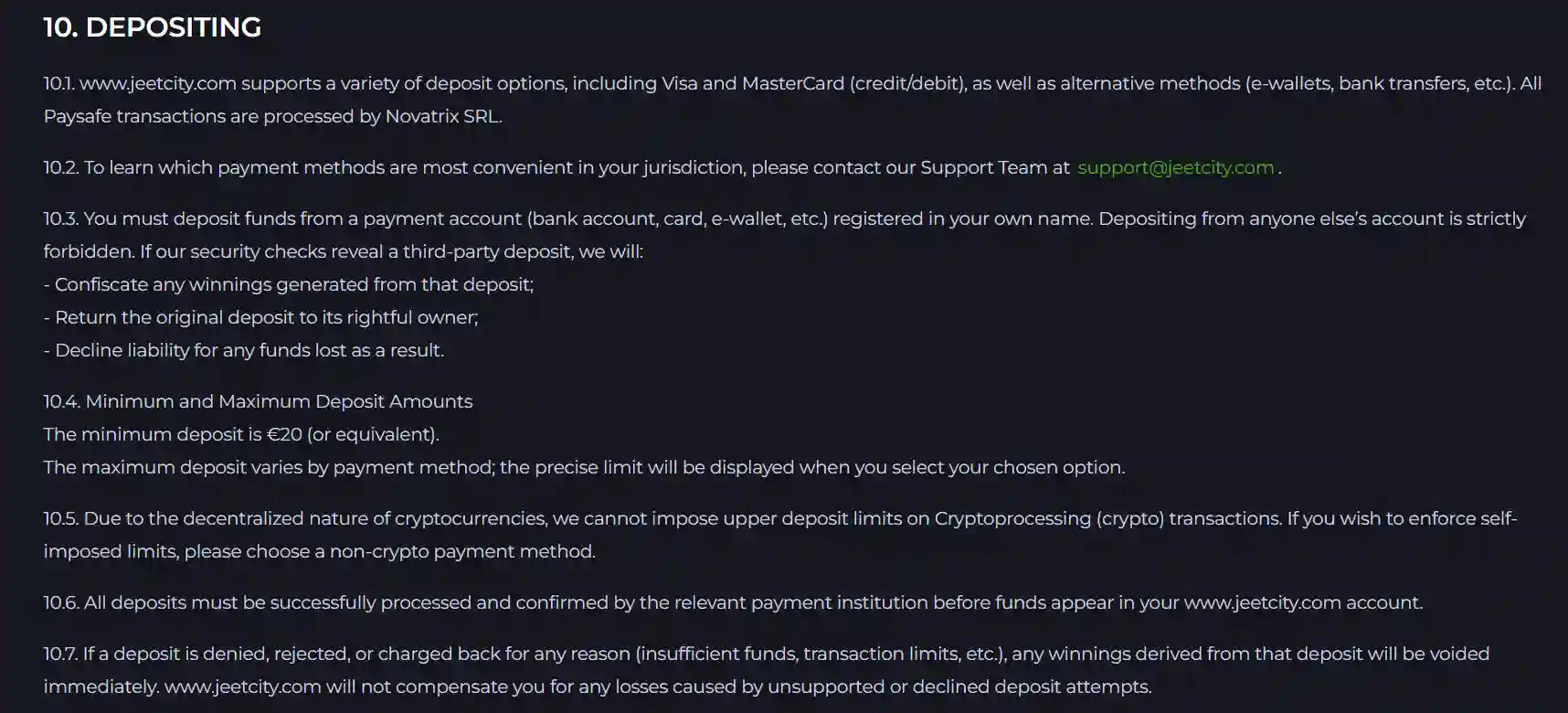
A balance shown in Australian dollars can make a payment look straightforward, but the displayed currency does not tell you how the transaction is processed. Before entering any details, check the cashier’s current options, whether the amount is actually handled in AUD, and whether a conversion fee could apply. Don’t assume PayID, POLi, Neteller or any other familiar name is available just because it is used elsewhere.
There is an important limit for Australians: credit cards are not a deposit route for online wagering. A payment page listing cards should not be read as permission to fund casino play with one. Check the actual terms rather than trying a card and hoping it goes through.
Attention: Credit cards are not a permitted deposit route for online wagering for Australians.
The timings I found in a specialist review are estimates, not a promise from every cashier. It places e-wallet processing at 1–24 hours, card transactions at 3–5 business days, and bank transfers at 5–7 business days or longer. Those figures can describe different stages of a transaction, so check whether the stated wait is for the operator to process it, for the funds to arrive, or both. Weekends and bank processing can also affect when money appears.
That distinction matters. A withdrawal marked as processed is not necessarily money already in your account. One specialist review says POLi and Neteller withdrawals can clear within 24 hours; treat that as a reported timeframe, not a deadline you can rely on. The same kind of review describes cryptocurrency as the fastest option on both the deposit and withdrawal sides. That does not make it a simple substitute for AUD: check the currency, network and any conversion costs before sending funds.
For an AUD withdrawal, compare the route out with the route in. A cashier may impose its own rules about which method can receive a payout, and the name of a payment option alone does not confirm that it is available for your account. If the expected route or timing is unclear, pause before depositing. Annoying, yes. Better than guessing.

Keep verification in the calculation, too. Identity checks must be completed before withdrawal, and the payment method may need to be confirmed. If those checks are still pending, the payment timeline is not the whole wait. I learned not to treat a displayed processing estimate as a promise of when I could use the money. Check the current cashier terms and keep a record of the route and status.
Is Uptown Pokies safe to use from Australia?
I’d separate “legit” from “safe”, because they are not the same test. A polished site, working pages or confident claims do not establish that an offshore casino is lawful to provide to people in Australia, or that you have meaningful protection if something goes wrong. I would not treat the name Uptown Pokies as proof either way.
The relevant Australian regulator is the Australian Communications and Media Authority (ACMA). It enforces the Interactive Gambling Act 2001 and monitors compliance with federal interactive gambling laws. Online casino games offered to people in Australia fall within the prohibited-services rules for operators. ACMA can ask Australian internet providers to block websites that supply those services or advertise them.
That enforcement is not just theoretical. ACMA says it has blocked more than 1,455 illegal gambling and affiliate websites since enforcement actions began in November 2019. The count of services that have withdrawn since 2017 is reported inconsistently: one figure is more than 210, while another is over 190. Either way, a service disappearing from the Australian market is part of an active enforcement picture, not a consumer-safety stamp.
Safety Reality
Being able to open a page does not prove a service is safe or legitimate, as offshore casinos operate outside Australian-authorised protections.
A blocked page does not prove that the site was safe before access stopped. Nor does finding another address prove that it is an authorised or trustworthy route. I would be wary of anyone presenting a working link, a mirror address or a familiar-looking page as evidence of legitimacy. Access and legitimacy are different things.
So, can I call Uptown Pokies safe to use from Australia? Not on the basis of its branding or availability. The practical limit is that offshore casino services sit outside the protections you might expect from an Australian-authorised gambling product, while ACMA can act against prohibited services and their advertising. That does not tell you what would happen in a particular dispute, but it is reason enough not to confuse “I can open the page” with “this is safe.” A working page proves very little.
The Uptown Pokies app: access without guesswork
Looking for an Uptown Pokies app? I’d start by separating an app-shaped promise from something I can actually verify. A search result, download button or file shared in a message does not prove that an official app exists. I wouldn’t install a file just because its name and logo look familiar. That’s an easy way to hand over device access or account details to the wrong party.
I’ve learned to be wary of “one-tap access”: what sounds like a shortcut can leave you unsure who published the software or where it sends you. If an app is promoted, check whether the information comes from a source you can independently confirm. Don’t follow unsolicited login links, and don’t enter account details into a page reached through a suspicious download.
There’s another practical snag: access to an offshore gambling site can change. ACMA actively blocks access to non-compliant offshore gambling sites, so a page or service that was reachable may later stop loading in Australia. An app icon doesn’t guarantee the service will remain available, and an alternate address is not proof that access is safe or legitimate.
If access fails, pause rather than downloading a substitute or trusting a message promising a fix. I wouldn’t treat repeated redirects or a suddenly different address as reassurance. Keep your device and personal details out of the equation until you can verify what you’re dealing with. No guesswork.
Inside the lobby: games, spins and randomness
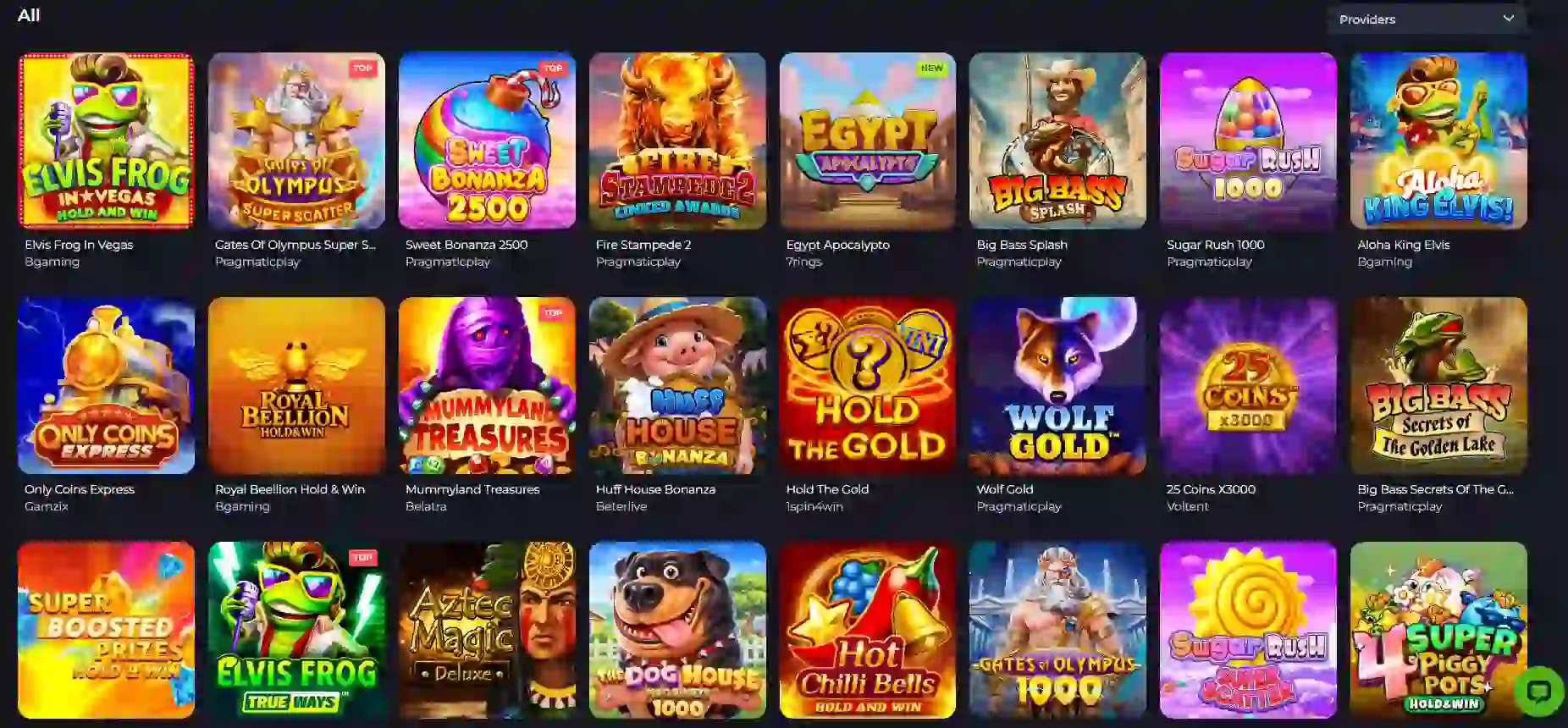
A lobby can make a game feel like the main event before you have even opened it. I try to treat the tiles as labels, not recommendations: a title or familiar image tells me little about how a pokie behaves, and a crowded screen does not prove that every game shown will be available to me.
Mega Moolah is one recognisable name you might come across, but its presence should not be taken as a promise about the full catalogue. Open a game’s information and check what it actually explains: the rules, symbols, and any features that affect a spin. If those details are hard to find, I don’t fill the gaps with assumptions. That has saved me from confusing a flashy theme with a useful description.

The more important part is less visible. Modern online pokies run as software governed by a Random Number Generator, or RNG. Each spin is independent; the result before it has no influence on the next one. A run of wins does not make another win due, and a run of losses does not mean the game is about to turn around.
I used to read patterns into ordinary randomness. Bad habit. A lobby may help you browse, but it cannot tell you what the next spin will do. I now separate the presentation from the mechanics and take a moment to understand the rules before I play. If the game’s behaviour or terms are unclear, moving on is a perfectly sensible choice.
Are “free spins” really free?
The spins may be promotional, but any winnings are credited as bonus funds rather than cash and carry their own wagering requirement. Check the offer’s terms to see what you must wager before those winnings can be withdrawn.
What are the bonus terms and conditions?
Check how to activate the offer, what amount the wagering requirement is based on, which games count, and the deadline and maximum bet rules. For example, a 35x requirement on a $100 bonus means placing $3,500 in bets before bonus-derived winnings can be withdrawn.
How long does a Golden Pokies withdrawal take?
The timeframe depends on the payment method: e-wallets can take 1–24 hours, cards 3–5 business days, and bank transfers 5–7 business days or longer. You may also need to submit ID, proof of address and, in some cases, proof of your payment method for verification.
Created by the ”JeetCity Casino” editorial team.