





Safe online casinos in Australia: law and safety checks
 Available in AU
The Interactive Gambling Act 2001 prohibits operators in Australia from offering online casino games to Australian residents, making legality central to any safety check.
Table of Contents
- What “safe” means when Australian law draws a hard line
- PayID can move quickly; that doesn’t make a casino safe
- Real-money play: know what Australian law does—and doesn’t—say about you
- “Best” is a claim, not a safety check
- When a casino site disappears, ACMA’s record matters
- Deposits, identity checks and the wait to withdraw
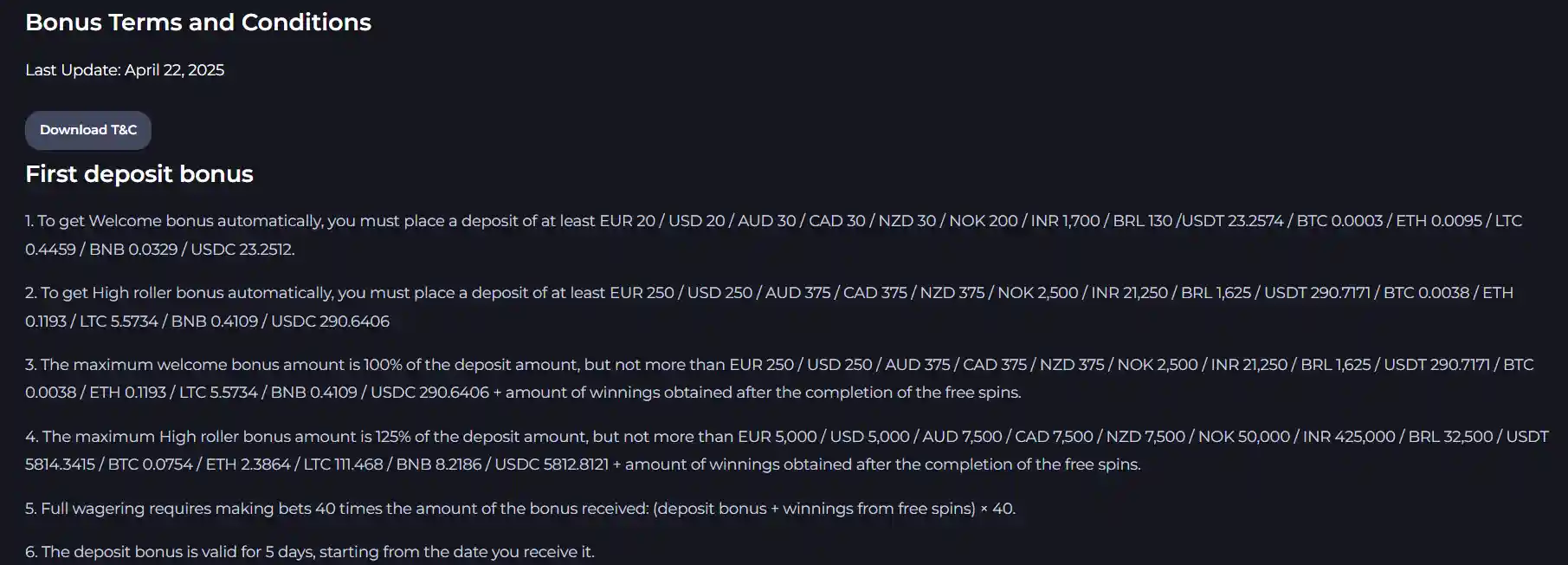
- Game fairness: check the RTP, not the sales pitch
- Mobile gambling and the limits that matter
- A secure connection is not the same as a safe casino
- Australian access can be blocked—and that is a warning
What “safe” means when Australian law draws a hard line
When I see a casino site call itself “safe”, I now look past the badge and the polished wording. The first thing to check is more basic: what service is being offered, and is it lawful to offer it to people in Australia? That question matters before any claim about customer care or a reassuring-looking website.
The Interactive Gambling Act 2001 prohibits operators in Australia from offering online casino games to Australian residents. In practical terms, a domestic business cannot lawfully provide those games here just by describing itself as trusted, secure or responsible. A reassuring label does not change the legal position.
That makes “safe” a slippery word. It can suggest that a service is dependable, that your information is protected, or that you have somewhere to turn if a problem arises. Those are different claims, and none of them answers the first question: whether the service is allowed to offer online casino games to people in Australia. A site can make comforting promises; the wording itself is not proof.
I used to treat professional-looking pages as a kind of shortcut. Clear menus and confident statements made a site feel established. But appearance is not a legal test. Once I understood the Australian rule, I stopped letting that surface impression do the thinking for me. It’s a low bar.
ACMA—the Australian Communications and Media Authority—is Australia’s primary regulator for online gambling. Its role is not just a label to add to a page. ACMA can act against operators that breach the Interactive Gambling Act 2001, including by blocking websites and issuing fines. That enforcement power is another reason not to confuse a site’s marketing with the protections a reader might assume come with a lawful local service.
There is an important distinction here: the law’s prohibition is directed at operators providing the service. The first safety check, then, is not whether a site says it serves Australians responsibly; it is whether the kind of service it offers can lawfully be provided to people in Australia. For online casino games, the legal line is clear.
That does not mean every concern fits into the legal question. A website might make technical claims, describe how it handles accounts, or use language that sounds like a promise of support. Those are separate matters, and they should not be treated as substitutes for the law. A “trusted” tagline is still just a tagline.
I would also be wary of treating the word “licensed” as an answer on its own. The relevant question is what the licence authorises in Australia. A licence or approval mentioned on a site does not, by itself, undo the prohibition on domestic operators offering online casino games to Australian residents. The name of a regulator or a formal-looking seal can sound impressive; it does not rewrite the Act.
So when someone asks whether an online casino is safe in Australia, I would start by separating safety language from legal status. The legal starting point is not a ranking, a testimonial or a promise on the home page. It is the rule in the Interactive Gambling Act 2001 and the role ACMA has in overseeing online gambling.
That is less exciting than a site’s pitch. It is also a better place to begin. A claim can be dressed up any way it likes; the law stays put.
PayID can move quickly; that doesn’t make a casino safe
PayID can make a deposit feel almost frictionless. You enter the payment details, approve the transfer through your bank, and the money may appear quickly. That is useful to understand, but it answers only a narrow question: how a payment might travel. It does not tell you whether the gambling service is safe to use.
A specialist review describes PayID transfers as commonly using the New Payments Platform and says they can clear quickly, sometimes within minutes once released. That timing is not a promise. A transfer can still be pending, delayed or subject to checks, and the payment method alone cannot explain what is happening with a particular transaction.
Attention: A fast deposit via PayID confirms only that money has moved; it does not verify the operator’s legitimacy or the safety of the service.
I used to treat a smooth payment as a reassuring sign. It felt as if a service that could accept money without fuss must have its systems in order. That was a poor shortcut. A fast deposit confirms that a payment has moved; it does not verify who operates the site, what protections apply, or whether you will be able to resolve a dispute.
Quick is not safe.
When you ask whether PayID is safe for casino deposits or payments, it helps to separate two meanings of “safe”. The payment transfer may use a familiar bank-linked process. The casino itself is a different matter. A payment option cannot certify the operator, turn a prohibited service into an authorised one, or guarantee that the site will handle your funds fairly.
That distinction matters particularly in Australia. Online casino games offered to Australian residents are prohibited under the Interactive Gambling Act 2001. So a site displaying PayID is not evidence that it is licensed in Australia or permitted to provide online casino games here. The payment method does not change the legal status of the service.
Nor should the presence of a recognisable payment option be read as a recommendation from your bank. A transfer facility is not a safety endorsement. If a site uses PayID branding, that says nothing by itself about the quality of its customer support or what happens if a payment is disputed. Don’t let a familiar name do the checking for you.
I’d apply the same scepticism to “safe PayID casino” claims, including offers dressed up as a safe casino no-deposit bonus. A no-deposit offer is still advertising, not proof of protection. The bonus label tells you what the site wants you to notice; it does not establish that the service is authorised, trustworthy or a sensible place to share payment details. The same goes for claims about slots or a particular payment route.

A payment rail is not a licence.
Before sending money, pause at the point where the transfer leaves your account. Check what service you are paying, whether the payment details match what you were told, and whether you understand the site’s terms. If anything feels unclear or the instructions change at the last moment, don’t rush just because the transfer may clear quickly. Speed can reduce the time you have to reconsider.
Also keep the practical limit in mind: PayID’s potential speed concerns the transfer, not what happens after it reaches a gambling site. It says nothing about whether a withdrawal will be approved, whether a bonus has conditions, or whether anyone will help if a dispute arises. Those are separate issues, and the payment method cannot settle them.
My rule now is simple: judge PayID as a way of moving money, not as a badge of a safe casino. A quick deposit can be convenient. It can also make a weak decision happen faster. Don’t confuse the two.
Real-money play: know what Australian law does—and doesn’t—say about you
The first thing I’d separate is the law’s treatment of the operator from its treatment of the person placing a bet. They are not the same thing. Under the Interactive Gambling Act 2001, providing real-money online casino games to people in Australia is prohibited. That includes online slots and familiar table games such as blackjack. A site may describe itself as “safe” or welcome Australian customers, but those words do not change the legal position.
Legal Gap
While using an offshore casino may not be a criminal offence for the individual player, you may have no reliable recourse or consumer protection if a dispute arises.
The part that can be easy to misread is what the Act says about players. It does not expressly make an individual player’s use of an offshore casino site a criminal offence. That is a narrow point about individual liability, not permission to use the site. It does not turn an offshore service into a lawful Australian casino, nor does it mean the service is protected by Australian consumer safeguards.
That distinction matters if you are trying to work out whether real-money play is safe. “You won’t be prosecuted” and “you have reliable recourse if something goes wrong” are very different claims. The first concerns the law’s treatment of the player; the second concerns practical protections. Don’t let one be presented as proof of the other.
I’ve seen how reassuring labels can take over the conversation. “Australian-friendly” sounds like a local endorsement; sometimes it only tells you that a website is willing to accept visitors from here. An offshore licence, if a site has one, is not an Australian licence and does not authorise the operator to offer prohibited casino games to people in Australia. And a polished mobile site is still the same service under the same rules. The screen changes nothing.

If an

So when you read a safe casino review, look closely at what “safe” is supposed to mean. Is it talking about a secure website, a smooth deposit, or a licence issued somewhere offshore? Those details, even if accurate, do not make an online casino offer lawful in Australia. Nor do they establish that you can rely on Australian protections if a payment or account dispute arises. I used to treat a confident review as a kind of reassurance. It isn’t.
The practical takeaway is not that every offshore site behaves the same way, or that every player will face the same outcome. It is that a site’s willingness to take real-money bets from Australians should not be mistaken for approval under Australian law. The Act’s distinction may mean the individual player is not explicitly criminalised for using an offshore site, but the service itself remains outside what is permitted for online casino gambling here.
When you see “safe” attached to a real-money casino, ask what the word actually covers. It cannot erase the legal line, create Australian consumer protections, or promise that a dispute will be resolved in your favour. Keep those limits in view before deciding what to trust. No magic wording.
“Best” is a claim, not a safety check
When choosing an online casino in Australia, you should check the available licensing information and practical details before deciding where to play. This list gives you a concise reference to the details provided for each operator.
License: Curacao eGaming (Roby Games Ltd) Roby Casino is listed with a Curaçao eGaming licence held by Roby Games Ltd. You can use that detail as a starting point when checking its licensing information.
License: Curacao eGaming OGL/2023/174/0082 (Dama N.V.) · Min. deposit: A$15 LevelUp Casino lists a Curaçao eGaming licence, OGL/2023/174/0082, held by Dama N.V., and a minimum deposit of A$15. These details give you both licensing information and an entry-cost reference.
License: Curacao – Antillephone N.V. (Versus Odds B.V.) · Min. deposit: EUR 20 Thor Casino lists a Curaçao licence from Antillephone N.V. for Versus Odds B.V. Its stated minimum deposit is EUR 20.
Payout speed: crypto 30-120 minutes, fiat 24-72 hours · Min. deposit: A$30 MrPacho lists crypto payouts at 30–120 minutes and fiat payouts at 24–72 hours. You can also note its A$30 minimum deposit.
License: Curacao Gaming Control Board OGL/2023/176/0095 (Hollycorn N.V.) Neospin lists a Curaçao Gaming Control Board licence, OGL/2023/176/0095, held by Hollycorn N.V. That licensing detail is the available point of reference for you.
License: Curacao Gaming Control Board (TechSolutions Group N.V.) Bizzo Casino lists a Curaçao Gaming Control Board licence held by TechSolutions Group N.V. You can consider this licensing information when reviewing the operator.
License: Curacao Gaming Control Board OGL/2023/176/0095 (Hollycorn N.V.) Rollero Casino lists a Curaçao Gaming Control Board licence, OGL/2023/176/0095, held by Hollycorn N.V. This is the available licensing detail for your reference.
License: Curacao Gaming Authority (Jumpman Gaming Ltd) DragonSlots Casino lists a Curaçao Gaming Authority licence held by Jumpman Gaming Ltd. You can use the stated licence information as a reference when assessing the operator.
License: Curacao Golden Pokies is listed with a Curaçao licence. No further operator details are provided here, so you should treat this as a limited reference.
License: Curacao OGL/2024/1335/0780 · Min. deposit: EUR 20 Vegaz Casino lists a Curaçao licence, OGL/2024/1335/0780, and a minimum deposit of EUR 20. These give you a licence reference and a stated deposit threshold.
A polished ranking can make a site look vetted before you have checked what the ranking actually means. “Best” may describe a promotional deal, a convenient layout or the writer’s opinion. It does not, by itself, show that a gambling service is authorised in Australia or that you would have recourse if something went wrong.
I used to read confident labels as if someone had done the hard checking for me. That was the mistake: a neat badge or a string of five-star claims can feel like evidence, but it is still just a claim until you can verify it. “Safe” is another word that gets stretched. A page can use it to talk about payments or account security without establishing that the service is legally allowed to offer the product to Australians.
There is a useful check, but it has a limit. Australians are encouraged to consult ACMA’s public register to see whether a wagering service holds a valid Australian licence. If a company claims that kind of licence, check the register rather than relying on its own wording or a review page repeating it.
Australians can consult ACMA’s public register to verify if a wagering service holds a valid Australian licence.
Then read what the licence is for. A wagering licence is not permission to offer online casino games. Those are different products, and finding a service on a register for wagering does not turn a casino offer into an authorised one. Don’t let a true statement about a licence quietly imply something broader.
That distinction matters when a page calls itself the best safe online casino in Australia. The wording can blur a basic question: is the service actually authorised to provide the particular product being promoted here? A licence reference may sound reassuring while answering only a narrower question. Read it closely.
Separate the claim from the evidence
When you see a “top” list or a “trusted” badge, look for what it is based on. Is the page pointing you to ACMA’s register and accurately describing the licence, or is it just repeating the operator’s own pitch? Does it explain that a wagering licence does not cover online casino games? If that boundary is missing, the praise is not a safety check.
I’m not saying every ranking is deliberately misleading. I am saying that a ranking has no power to make a prohibited offer lawful. The same goes for phrases such as “safe bet casino” or “secure slots”: they can sound like a conclusion while telling you nothing about authorisation. Marketing words are cheap. Verification takes another step.

If you are checking a service, use ACMA’s register for the specific claim it can confirm: whether a wagering service holds a valid Australian licence. Don’t treat a listing there as approval for casino games, and don’t let an affiliate review stand in for the register. If a page makes a licence claim, compare it with the official record and be wary if the description does not match.
That is a narrower test than a glossy ranking offers, but it is more useful. “Best” tells you what someone wants you to believe. The register can help check a particular wagering-licence claim; it cannot make that claim cover online casino games. Keep those two things separate. No shortcut here.
When a casino site disappears, ACMA’s record matters
A site vanishing can feel like an answer: perhaps the operator has been dealt with, perhaps the problem is over. I used to read too much into a page that stopped loading. A disappearance tells you access has changed; by itself, it does not tell you what happened to the operator, its customers or their money.
ACMA enforcement statistics
Since November 2019, the regulator has reported that approximately 1,011 illegal gambling and affiliate websites have been blocked.
ACMA’s public record gives that change some context. Since its first blocking request in November 2019, the regulator has reported that about 1,011 illegal gambling and affiliate websites have been blocked. That is a substantial enforcement trail, not a list of safe alternatives. The number counts websites, including affiliate sites; it does not establish that each was the same kind of service or that every person who encountered one lost money.
The useful takeaway is narrower: website blocking is an ongoing response to prohibited gambling services, not a seal of approval for what remains reachable. If you are trying to judge whether an online casino is safe, a site appearing in a review or remaining accessible should not be treated as proof that it is authorised or that you have reliable consumer protection. Nor does a site disappearing tell you that an unresolved payment or account issue has been settled.
I also wouldn’t treat a block as a puzzle to get around. A VPN may let a page appear to load, but using one to access a casino can lead to winnings being voided, an account being closed or a deposit being lost. That is a poor trade for the illusion that a blocked service has become safer. Stop there.
There is a difference between reading an enforcement record and trying to use it as a directory. The count does not identify a recommended site, and the absence of a name from a blocking tally is not evidence that the service is legitimate. A service can also present itself through promotional material that sounds polished and reassuring; those words do not answer the practical question of whether you can rely on the operator if something goes wrong.

That distinction matters when you see claims about a safe Australian online casino or a

I find the regulator’s record more useful as a reality check than as a shopping tool. It shows that blocked gambling and affiliate websites are part of an active enforcement landscape. It does not tell you that every inaccessible site has been fully dealt with, or that every accessible one is safe. When a casino site disappears, take the warning seriously; don’t turn it into an invitation to find another route in.
Deposits, identity checks and the wait to withdraw
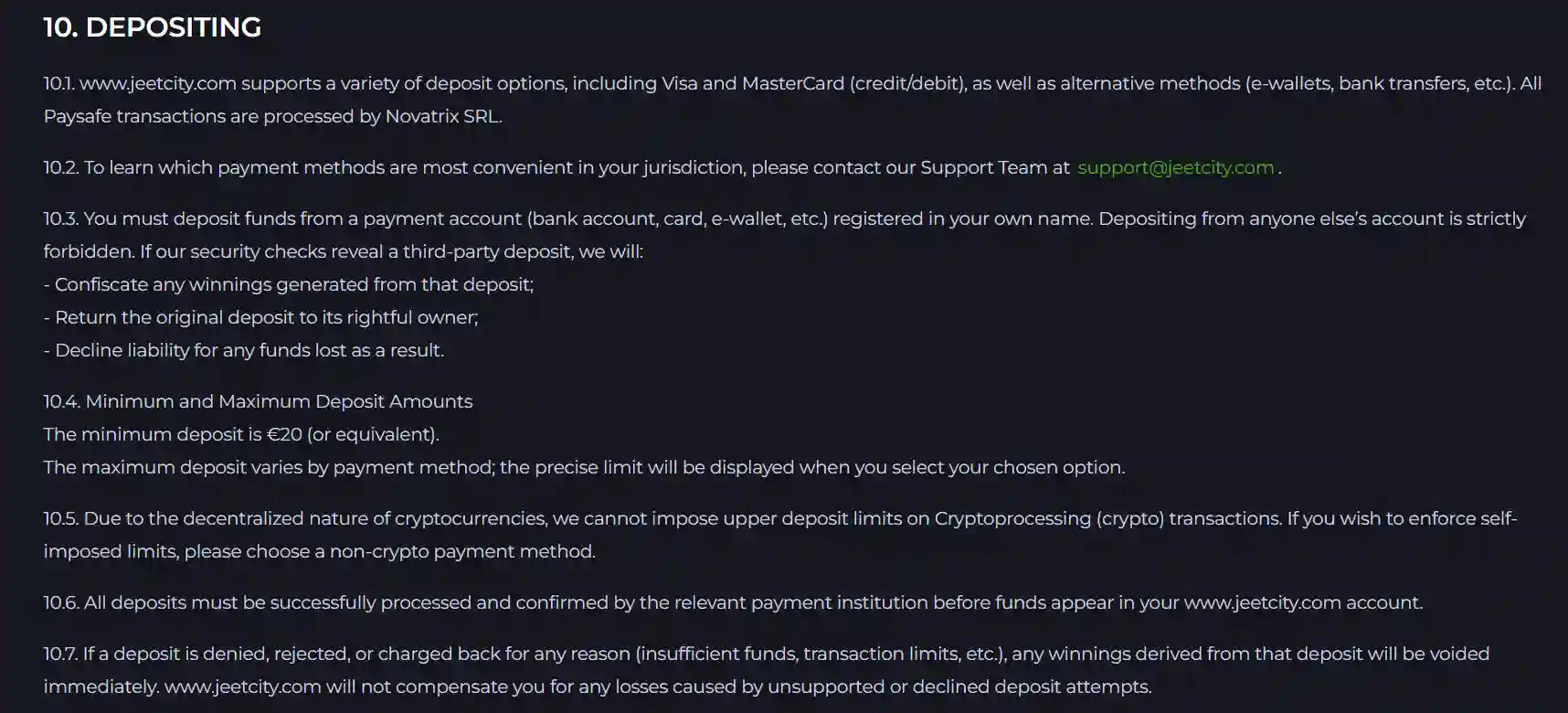
A deposit is the easy part of the transaction. The real test comes when you ask for your money back. Casinos conduct KYC checks before withdrawals, so expect to confirm who you are and that the payment method belongs to you. A common request is photo ID, proof of your address and evidence linking you to the account or payment method used.
I used to treat a withdrawal request as a simple button press. It isn’t always. If the details on your account don’t match your documents, or a file is hard to read, the operator may need more information before processing anything. Check that your details are consistent and that the images you provide are clear. That can reduce avoidable back-and-forth; it cannot make a questionable service trustworthy.
Timing depends on both the operator’s approval process and the payment route. One specialist review reports that PayID and

Read the withdrawal terms before sending money, paying particular attention to the methods available for cashing out and any verification conditions. A method that accepts deposits may not be offered for withdrawals. If the terms are unclear, assume nothing: ask the operator to explain the process in writing before you commit funds. A fast-looking deposit option tells you very little about how a withdrawal will go.
There is a bigger issue for Australians. A service offering online casino games here may be operating unlawfully, and an offshore licence does not make it licensed in Australia. Unlicensed gambling services lack Australian consumer protections; if winnings are withheld, Australian laws may not assist you in recovering them. A smooth payment screen is not a safety check.
Nor is a workaround. Using a VPN to reach a casino may lead to winnings being voided, an account being closed or a deposit being lost. I wouldn’t treat a blocked route as a puzzle to solve. The risk can land on you.
Keep copies of payment records and messages if a dispute arises, but don’t mistake paperwork for protection. If the operator controls the account and the withdrawal, a polished process can still leave you waiting. That is the part worth checking before money goes in.
Game fairness: check the RTP, not the sales pitch

To find it, open the pokie’s information or help screen. The details are often behind an “i” icon or a menu. Look for the RTP value there, rather than relying on a promotional description elsewhere on the site. If the figure is hard to find, that is a reason to pause—not a reason to assume the game has a particular return.
There is another wrinkle: the same game can come in several RTP versions. The provider may release those different versions, and the operator selects which one to offer. So seeing a game’s name on one site does not establish that it has the same RTP on another. Check the information screen for the version in front of you.
That sounds basic. It matters.
Checking RTP
Open the pokie’s help menu or click the “i” icon to find the theoretical return percentage.
Check the specific RTP value for the version currently being offered by the operator, as different versions of the same game may exist.
Use the in-game figure rather than promotional descriptions found elsewhere on the site.
I used to treat a familiar game title as if it told me everything important. It doesn’t. A game’s title and graphics can stay the same while the RTP version differs, so the in-game information is the more relevant place to check. And even when you find the figure, it is not a promise of what you will get back. It cannot make a losing session safe or turn an uncertain offer into a trustworthy one.
This distinction matters when you are weighing claims about “fair” or “generous” games. Those are sales words unless you can check the game details behind them. RTP tells you something about the game’s stated return; it does not verify an operator’s status, its handling of money or your protection as a player. Don’t let one visible figure stand in for all of that.
In Australia, this information should not be mistaken for a green light to use a real-money online casino. The RTP check is about understanding a game’s displayed settings, not recommending where to play. Keep the two questions separate: what version of a game is shown, and whether the service itself is safe or authorised. One answer cannot supply the other.
Mobile gambling and the limits that matter
A phone makes gambling easy to carry around. That convenience can also make it easier to lose track of time or spending, so I treat a limit as a brake—not as proof that a casino is safe. If you are looking for safer mobile gambling, start with the protections and the law, not the size of a button or how smoothly a site opens.
Licensed operators are required to follow responsible-gambling regulations under the Interactive Gambling Act. A specialist review describes

A limit is useful only if you set it before you are caught up in play and take it seriously when you reach it. I have made the mistake of treating a control as something I could adjust later, when I wanted to keep going. That defeats the point. A limit can help contain deposits; it cannot guarantee that you will stop, recover losses or avoid harm.
There is a separate issue Australian players should not blur with harm-reduction tools. The presence of deposit limits, responsible-gambling language or a mobile-friendly account does not make an online casino offer lawful in Australia. The Interactive Gambling Act prohibits domestic operators from providing online casino games to people here. A site’s claim that it is licensed somewhere else, or that its mobile casino is “safe,” does not turn those protections into Australian authorisation.
The same goes for a smooth login or a payment option: neither tells you whether a service is lawful or whether its safeguards will help when things go wrong. I would not treat a safe-looking phone screen as a safety check. Not close.
Reputable platforms provide information about gambling-related harm and direct people to professional support services across Australia. If gambling is affecting your wellbeing, finances or relationships, use those support pathways rather than relying on a deposit setting alone. The practical point is modest: controls may help reduce risk, but they are not a shield, and they do not change the legal status of a prohibited online casino.
- Set deposit limits before you begin playing
- Use professional support services for gambling harm
- Check the Interactive Gambling Act for legal status
- Rely on mobile-friendly layouts as a safety check
- Assume a deposit limit guarantees the prevention of harm
- Mistake an offshore licence for Australian authorisation
A secure connection is not the same as a safe casino
A padlock beside a web address can feel reassuring. I used to treat it as a quick trust check: the page looked polished, the connection was encrypted, so the site seemed safe. That was a mistake. SSL encryption protects information sent between your device and the site, including sensitive details and transaction data. It does not tell you who runs the service or whether they are entitled to offer it to people in Australia.
Think of encryption as protection for the journey, not a guarantee about the destination. It can make it harder for outsiders to read data in transit; it cannot promise that a casino will handle your account fairly, pay winnings, or answer a complaint. The connection may be secure while the business behind it is not.
That distinction matters when you’re asking whether an online casino is safe. Technical security is one narrow part of the question. It is not proof of authorisation, and it does not create consumer protections where none apply. Offshore services that are not licensed in Australia lack those protections, and Australian laws may not help if a site withholds winnings. A padlock cannot fix that.
So I wouldn’t treat a list of “safe casinos in Australia” as verified just because the listed sites use encryption. Nor would I enter personal or payment information on the strength of a security icon alone. The icon tells you something about the connection; it says nothing decisive about the operator.
One more trap: don’t use a VPN to get around an access restriction. Doing so may lead to voided winnings, account closure and loss of your deposit. A technical workaround does not make the underlying service safer or authorised. Not worth the gamble.
SSL is useful. It is simply not a safety certificate for the casino itself. When you see a secure connection, read it as a limited technical measure—not a promise that your money, account or rights are protected.

Australian access can be blocked—and that is a warning
If a casino site or app will not load in Australia, I would not take that as a technical puzzle to solve. ACMA can ask internet service providers to block sites offering prohibited interactive gambling services to Australians, as well as services that are unlicensed for adults here. It can also issue blocking orders as a last resort when it considers customer safety to be at risk.
That makes an access restriction more than an inconvenience. It is a signal to stop and check what is happening, not a reason to hunt for another address or a workaround. A site’s claim that it is a safe online casino for Australians does not cancel out a block. Nor does a friendly-looking app, a wallet option or a forum post establish that the service is appropriate to use here.
I have learned to distrust the “just try another route” advice. It turns a warning into a challenge, and that is a poor basis for deciding where to put money or personal details. Using a
A site that is temporarily unavailable is not automatically blocked by ACMA; technical problems can happen. But you should not assume that is the explanation either. Avoid following links that promise a replacement site or instructions for restoring access. Pause rather than supplying more details or attempting another payment.
The same caution applies when someone calls a wallet-based or AUD casino “safe” because it loads on a phone. Access, payment options and polished presentation do not answer whether the service is authorised or whether you can rely on it if something goes wrong. A blocked site is not a recommendation in reverse. It is a reason not to proceed.
How long should a withdrawal take from a secure casino?
You may need to complete identity checks before a withdrawal is approved. Bank transfers and card withdrawals can take several business days; card withdrawals may also be slower or unavailable depending on the processor.
What are the legal consequences for Australian players using offshore casinos?
The Interactive Gambling Act 2001 does not explicitly criminalise individual players for using offshore casino sites. The prohibition is directed at operators offering online casino games to Australian residents.
Which banking methods are available for deposits and withdrawals?
The methods mentioned include PayID, e-wallets, bank transfers and cards. POLi is mainly for deposits, while card withdrawals may be slow or unavailable depending on the processor.
Written by the editors at JeetCity Casino.