




Online Pokies PayID in Australia: How Payments Work
 Available in AU
PayID identifies a bank-payment destination; the New Payments Platform carries transfers, while casino processing remains separate.

Table of Contents
- How PayID Moves Money Between Your Bank and a Casino
- PayID Deposits: Minimums, Confirmation and One-Way Mistakes
- What “Best” Means When You’re Checking PayID Options
- PayID for Pokies in 2026: What the Payment Method Actually Tells You
- Checking a Site’s Cashier Before You Sign Up
- Your Bank’s PayID Limit Still Applies
- PayID Withdrawals: The Casino’s Queue Comes First
- Free Credit and the Wagering Terms Behind It
- How to Check Whether a Site Accepts PayID
- PayID Claims You See on Facebook: Pause Before You Send
How PayID Moves Money Between Your Bank and a Casino
PayID is an Australian payment system, not a special casino wallet. It lets a person identify a payment destination with a unique detail such as a mobile number or email address. The transfer itself moves through the New Payments Platform (NPP), which connects participating banks for quick bank-to-bank payments.
That distinction matters. PayID is the identifier; the NPP is the infrastructure that carries the transfer between banks. Neither one is a game, a casino account, or a promise about what happens after money reaches another party. The mechanics are banking mechanics.
I find it easier to picture PayID as an address book entry for a payment. Instead of relying only on a string of account details, the sender can use an identifier linked to a bank account. The bank uses that identifier to direct the payment through the NPP to the relevant destination bank. It is still a transfer from one bank account to another.
No magic. Just routing.
When people discuss PayID for online pokies, they often make it sound as if the method belongs to a particular casino. It doesn’t. PayID is a general Australian payment option, and its role is to help move funds between banks. A business or service may present PayID as a way to send or receive a payment, but that does not change what the payment system is.
It also helps separate two things that are easy to blur together: the payment rail and the service on the other end. PayID can tell you how a transfer is addressed and carried. It cannot, by itself, tell you what kind of service is receiving money, whether that service is lawful, or what it will do with the funds. A familiar payment logo is not a quality check. I used to treat payment convenience as a kind of reassurance; that was a poor shortcut.
There is an important Australian context here. Under the Interactive Gambling Act 2001, operators are prohibited from providing real-money online casino games, including pokies, to people physically located in Australia. That legal position is separate from how PayID works. Explaining the payment mechanism does not make an offshore casino service lawful or mean it is being endorsed.

The simple flow, at the banking level, is: a sender uses a PayID identifier, their bank processes the instruction, the NPP carries the transfer between banks, and the receiving bank makes the funds available to the account associated with that identifier. The system is designed for quick transfers. “Instant” describes the payment system’s purpose; it is not a blanket statement about every bank’s handling, a particular recipient, or any separate account process.
A PayID identifier is not the money itself. Nor does it mean that the destination is a casino account in the same way a username identifies your player profile. The identifier is connected to a bank account, and the transfer is bank-to-bank. Any service-specific steps sit outside that basic description. Keeping those layers separate makes the whole thing less mysterious.
This is why phrases such as “fast PayID pokies” can muddle the point. PayID can facilitate quick movement between banks, but it does not make a game faster, establish who operates a site, or certify that a payment destination is appropriate. The payment feature says something about the route for funds—not the conduct or status of whoever may be on the other end.
If you are simply trying to understand the Australian payment system, that is the core: PayID uses a unique identifier, while the NPP enables the transfer between banks. The method is not a casino product, and the bank network does not turn an unlawful real-money online casino offer into a lawful one. Keep the payment mechanism and the service receiving funds in separate boxes. That small distinction saves confusion.
PayID Deposits: Minimums, Confirmation and One-Way Mistakes
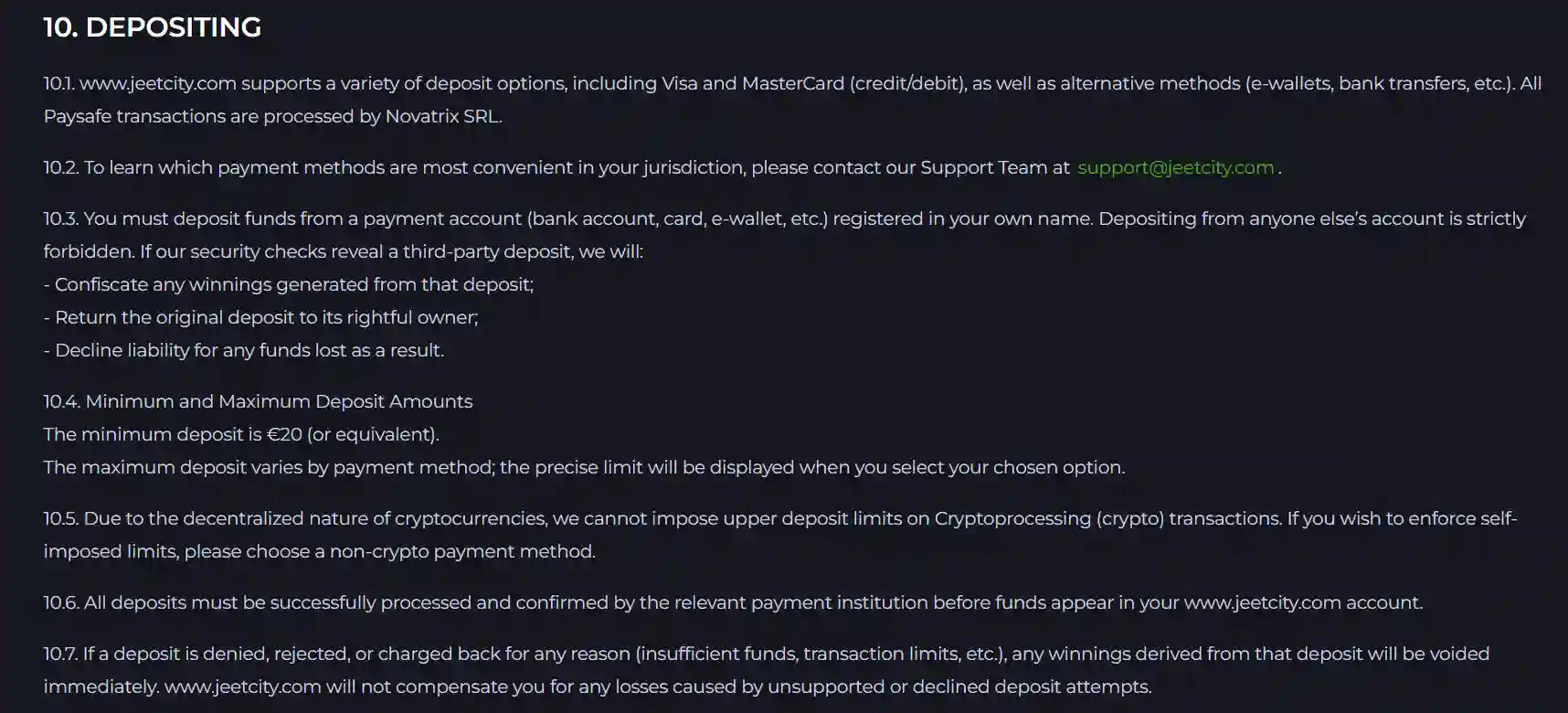
A PayID deposit can feel almost too easy: enter the payment details, approve the transfer in your banking app and see the balance update. For online casino deposits, completion is typically within seconds. That speed is useful to understand, but it also leaves little room to catch a mistake after you confirm.
Irreversible Payments
PayID transfers cannot be reversed once confirmed. If you send money to the wrong recipient or enter an incorrect amount, you cannot pull the transaction back.
There is an important legal context for anyone in Australia. The Interactive Gambling Act 2001 prohibits operators from providing real-money online casino games, including pokies, to people located here. A payment option appearing on a site does not change that rule or make the service lawful. The mechanics below explain what a PayID transfer does; they are not an invitation to deposit or a recommendation of any casino.
What the minimum tells you
The minimum is the smallest deposit an operator says it will accept through its cashier. Most operators set that starting amount between AU$10 and AU$20. I have also seen a specialist review report an operator minimum as low as AU$5, but that is a particular report, not a reliable assumption about every site or a current market-wide standard.
A low minimum can sound like a sensible way to test the payment process. But the amount alone tells you very little about what happens after you send it. It does not establish that the operator is trustworthy, that a balance will be handled fairly, or that the service is lawful for someone in Australia. I used to treat a small first deposit as if it were a small risk. It is still a real-money transfer.
The amount shown in a cashier may also be tied to a particular payment option. Read the amount beside PayID itself rather than relying on a general minimum displayed elsewhere on the site. If the payment screen changes the amount, recipient details or instructions, stop and check what you are being asked to approve. A transfer should match the details you intended to use.

Before you confirm
I try to treat the final banking-app screen as the point where the decision becomes real, not as a routine “continue” button. Read the recipient identifier and the amount carefully. Make sure they match the payment instructions you have chosen to follow. If anything looks different, do not approve it just to see what happens.
PayID transfers cannot be reversed once confirmed. That is the detail I would keep in mind before considering any deposit, especially when the payment flow is quick. If you send money to the wrong recipient or enter an amount you did not intend, you cannot rely on PayID to pull the transaction back after confirmation. A fast payment is not the same thing as a reversible payment.
I once rushed through a payment screen because I assumed I could sort out a mistake afterwards. That is the wrong moment to be casual. Pause before approving. Check the recipient, check the amount, then decide whether you still want to proceed. If the instructions are unclear or the recipient does not look right, leave the transfer unconfirmed.
Seconds are processing time, not reassurance
A deposit being completed within seconds describes the payment’s speed. It does not verify the casino, settle a dispute, or tell you anything about how the site handles accounts. The payment method and the service receiving the money are separate things. Seeing PayID listed should not be read as proof of licensing, fairness, transparent game information or a willingness to pay winnings.
Attention: A fast balance update or a low minimum deposit is not evidence that a service is lawful or trustworthy.
That distinction can get lost when a balance appears quickly. The screen may make the transaction feel finished and harmless, but the money has moved. I would not use speed as a reason to skip reading the payment instructions or to send funds to an unfamiliar recipient. Quick confirmation leaves less time to react, not more.
If you are checking a real-money casino site from Australia, remember that providing those games to people here is prohibited under the Interactive Gambling Act 2001. A site’s payment interface does not override that legal position. Nor does a low minimum make a deposit a safe trial. The practical point is simple: do not treat a small amount or a fast balance update as evidence that the wider service is acceptable.
A deposit minimum is just a threshold, and PayID’s speed is just a transfer characteristic. Before any payment, the decisive moment is the confirmation screen. Read it slowly. Once confirmed, there is no undo button.
What “Best” Means When You’re Checking PayID Options
If you’re looking at online pokies with PayID in Australia, use this list as a starting point and check each casino’s current payment options before depositing. The details below are limited to the information provided for each operator.
License: Curacao eGaming (Roby Games Ltd) Roby Casino is listed with a Curacao eGaming license held by Roby Games Ltd. You can use that licensing detail as a reference when assessing the operator.
License: Curacao eGaming OGL/2023/174/0082 (Dama N.V.) · Min. deposit: A$15 LevelUp Casino is licensed under Curacao eGaming OGL/2023/174/0082, with Dama N.V. named as the licensee. Its minimum deposit is A$15.
License: Curacao – Antillephone N.V. (Versus Odds B.V.) · Min. deposit: EUR 20 Thor Casino is licensed in Curacao through Antillephone N.V., with Versus Odds B.V. named in the licensing information. Its minimum deposit is EUR 20.
Payout speed: crypto 30-120 minutes, fiat 24-72 hours · Min. deposit: A$30 MrPacho lists crypto payouts at 30–120 minutes and fiat payouts at 24–72 hours. Its minimum deposit is A$30.
License: Curacao Gaming Control Board OGL/2023/176/0095 (Hollycorn N.V.) Neospin is listed with a Curacao Gaming Control Board license, OGL/2023/176/0095, under Hollycorn N.V. You can refer to these details when checking the operator.
License: Curacao Gaming Control Board (TechSolutions Group N.V.) Bizzo Casino is listed with a Curacao Gaming Control Board license, with TechSolutions Group N.V. named as the licensee.
License: Curacao Gaming Control Board OGL/2023/176/0095 (Hollycorn N.V.) Rollero Casino is listed with a Curacao Gaming Control Board license, OGL/2023/176/0095, under Hollycorn N.V. The supplied information identifies its licensing details.
License: Curacao Gaming Authority (Jumpman Gaming Ltd) DragonSlots Casino is listed with a Curacao Gaming Authority license, with Jumpman Gaming Ltd named in the licensing information.
License: Curacao Golden Pokies is listed with a Curacao license. No further operator details were provided.
License: Curacao OGL/2024/1335/0780 · Min. deposit: EUR 20 Vegaz Casino is listed with a Curacao license, OGL/2024/1335/0780. Its minimum deposit is EUR 20.
“Best” is doing a lot of work in a phrase like “best PayID pokies”. It can sound like a proper comparison has been made, when all the page may have checked is whether a payment logo appears somewhere. I’ve learned not to treat a familiar payment option as a recommendation. PayID tells you something about moving money; it does not tell you enough to judge the rest of a gambling service.
There’s also an important Australian limit to keep in view: the Interactive Gambling Act 2001 prohibits operators from providing real-money online casino games, including pokies, to people in Australia. So a page presenting offshore gambling services as options for Australians deserves particular caution. I’m not going to turn a “best” label into a shortlist. What is useful is knowing which claims can actually be compared, and which ones are just sales language.
Start with the fee claim
PayID itself does not charge a transfer fee. Reputable venues also do not add a separate fee just because a deposit or withdrawal uses PayID. That gives you a sensible first check: read the payment terms and look for any charge attributed to the method, rather than assuming every cost mentioned nearby is a PayID fee.
The wording matters. A claim such as “zero fees” may refer only to the transfer method, not every possible charge attached to an account or transaction. If a cashier or terms page mentions a fee, check what it applies to and when it is charged. If the explanation is vague, “free” is not much of an answer. Tiny print has a talent for changing the meaning.
I’d also separate a PayID charge from a venue’s own rules. PayID’s lack of a transfer fee does not establish that every venue handles money without deductions or other conditions. The payment method and the operator’s terms are different things. Treating them as one promise is an easy way to misunderstand a headline.
PayID itself does not charge a transfer fee, but this is separate from a venue’s own rules and account-related charges.
Don’t use deposits as a payout score
A smooth deposit experience can tell you that a payment went through. It cannot tell you how a withdrawal will be handled.

That distinction is worth keeping in mind when you see “instant” beside PayID. The word can describe the transfer mechanism while skipping over the operator’s own handling of a withdrawal. A payment system can move funds quickly once a transfer is released, but the operator’s process is a separate part of the journey. I’ve seen how an appealing payment label can make the whole process sound simpler than it is.
A more careful comparison asks what the venue says about its own processing, whether the terms explain the steps, and whether the wording separates the casino’s review from the bank transfer. If those pieces are bundled into one broad speed claim, you do not have a clear basis for comparing payout handling. “Fast” is a headline, not a schedule.
Read the whole claim, not the badge
A PayID badge or mention is narrow information. It does not demonstrate that a venue is fair, transparent, or willing to pay winnings. It also does not verify claims about games or account handling. I used to let one reassuring detail stand in for a full assessment. That was my mistake.

When weighing a claim, look for what it actually covers: a fee, a deposit option, or a stated withdrawal process. Then keep each claim in its lane. A fee statement does not answer a payout question. A payment logo does not settle questions about the service behind it. And a polished page is not evidence just because it sounds certain.
The same goes for a page that calls itself a “list” of the best PayID options. A list can organise claims, but it cannot make them reliable by arranging them in order. If the basis for the ranking is not clear, the ranking is mostly decoration. I would rather see a specific, qualified statement than a confident score with no explanation.
A practical standard
For me, the useful test is modest: can you tell what PayID-related fees are being claimed, and can you distinguish those from the venue’s own policies? Is payout speed described as variable rather than guaranteed by the payment method? Does the page explain what its comparison is based on, without presenting access to PayID as proof of trustworthiness?
If those answers are missing, there may be no meaningful “best” choice to identify. That is not a failure of comparison; it is a reason not to let a label make the decision for you. In Australia, it is also important not to mistake a payment option or promotional ranking for permission to use a real-money online casino service. The name on the payment button cannot change the legal position.
A cautious reader can still understand what the claims mean without accepting the pitch. Separate transfer fees from venue terms, treat payout claims as venue-specific, and be wary when a page makes PayID sound like a quality guarantee. Not the same thing.
Comparing PayID Options
- Separate transfer fees from venue-specific policies
- Treat payout speeds as variable and venue-dependent
- Avoid treating PayID access as a quality or trust guarantee
- Remember that payment options do not change the legal status of the service in Australia
PayID for Pokies in 2026: What the Payment Method Actually Tells You
PayID tells you how money may be transferred. It does not tell you whether an online casino is honest, whether its games are fair, or whether it will pay out winnings. I learned to separate those things after treating a familiar payment logo as if it were a recommendation. It isn’t.
PayID is an Australian payment method, not a quality stamp for a business that accepts it. A cashier displaying PayID only indicates that the operator says it can receive payments through that method. It says nothing by itself about the operator’s conduct, the terms attached to an account, or what happens if there is a dispute. Payment access and trustworthiness are separate questions.
For online PayID pokies, the main practical point is speed at the payment-transfer stage: deposits are typically completed within seconds. That can make the money appear in an account quickly, but it does not make every other part of the experience equally quick or dependable. A fast transfer confirms only that the payment moved; it cannot certify the destination.
There is also a legal context that matters in Australia. Under the Interactive Gambling Act 2001, providing


I used to see “instant” and mentally add “safe”. That was my mistake. “Instant” describes the transfer, not the operator. A payment method cannot verify a business’s promises, settle a complaint, or make unclear terms clearer. Keep the claim in its lane.
Fees are another narrow point. PayID itself does not charge a transfer fee. Reputable venues also do not add a separate fee for PayID deposits or withdrawals, though that statement is not a reason to assume any particular venue is reputable. Read what the cashier and terms say about charges rather than inferring them from the PayID label.
The same distinction applies when you see PayID mentioned in connection with “easy” play. That word may describe a payment step, but it does not describe the broader arrangement. I would treat a payment badge as a feature to verify, not as evidence about fairness, payout decisions, or the handling of personal information.
If you are looking at a PayID option for pokies in Australia, the sensible takeaway is limited: the payment method can move funds quickly, and the transfer itself does not establish anything about the operator beyond its claimed payment support. Don’t let a familiar name on a cashier page do the thinking for you. Payment rail, not a verdict.
Checking a Site’s Cashier Before You Sign Up
If you are checking whether a site lists PayID, go straight to its cashier or payments page before creating an account. Look for PayID by name among the available deposit methods, then read the conditions shown beside it. A logo or a line in a promotional banner is not the same as a payment option you can actually select.
I’ve learned not to treat a payment badge as a promise. The cashier is the useful place to confirm what the site says it accepts, and the displayed minimum matters too. A specialist

Don’t rush past the terms just because PayID appears in the list. Check whether the stated minimum applies specifically to PayID, rather than to another payment method, and whether the page sets any conditions on using it. If the option is unclear, absent, or described differently across pages, don’t assume it will be available after registration.
One important point that a cashier cannot settle: PayID access does not establish that a site is lawful, fair, or willing to pay winnings. Under Australia’s Interactive Gambling Act 2001, providing real-money online casino games, including pokies, to people in Australia is illegal for operators. A payment method listing does not change that.
I wouldn’t use a polished cashier as a shortcut to trust. It only tells you what payment options the operator says it offers, and what terms it displays there. Keep the distinction plain: payment availability is not an endorsement. Read the page carefully, and don’t let a familiar payment name do the thinking for you.
Your Bank’s PayID Limit Still Applies
A specialist review describes the daily ceiling for PayID transfers as being set by the player’s bank. That makes the bank’s limit a separate part of the picture from any minimum amount shown by a site’s cashier. One is a bank-side transfer limit; the other is a condition set by the service receiving the payment.

I used to treat a payment option as if it came with one neat set of rules. It doesn’t. With PayID, the bank determines the daily transfer limit on its side, so a cashier’s stated minimum cannot tell you how much your bank will allow you to send. If a transfer is declined or cannot be made at the amount you intended, the bank’s PayID settings are the relevant place to check.
Keep that limit separate from timing, too. A bank’s daily ceiling concerns how much you may transfer under its settings; it does not describe how quickly a casino handles a withdrawal. The two questions sit at different points in the process. Don’t read a transfer limit as a payout estimate.
For anyone comparing payment details around PayID pokies in Australia, this is a useful distinction, not a reason to assume that every bank applies identical settings. The daily limit is bank-set, and your own bank is the place to confirm what applies to your account. I would check that before planning around a particular payment amount, rather than relying on a site’s minimum deposit figure to answer a different question.
There’s no clever workaround implied here. A casino’s cashier cannot set your bank’s daily PayID ceiling, and a bank limit does not establish what a casino accepts as its minimum. Keep those details in their own lanes. Simple, but easy to muddle.
Daily PayID transfer ceilings are set by your bank, not by the casino’s cashier; check your bank settings to confirm your limit.
PayID Withdrawals: The Casino’s Queue Comes First
A PayID withdrawal has two distinct stages: the casino’s decision to release the money, then the transfer itself. It is easy to focus on the payment method and expect funds to appear straight away. That skips the part the casino controls.
The withdrawal is reviewed internally before it is sent. The operator may also need to complete identity checks, so your KYC status can affect how quickly the request is handled. If documents or account details still need checking, a quick bank transfer cannot make that review disappear. I’d treat verification as part of the timeline, not a box to worry about only after requesting a payout.
A specialist review describes a casino-side pending period of 24–72 hours before funds leave the operator’s system. That is a reported range, not a promise that every venue follows the same schedule. The same type of review puts the PayID transfer itself at 12–24 hours after approval, with the full request-to-receipt process often taking 2–4 days. These estimates can change with the operator’s process and the account review.
So when you see a claim about


Before requesting a payout, make sure your identity checks are complete and that the name on your bank account matches the name on your casino profile. A mismatch can complicate a withdrawal review. Keep a note of when you submitted the request and whether its status changes from pending to approved; that gives you a clearer basis for following up than guessing from the payment label.
One legal point matters here: the Interactive Gambling Act 2001 prohibits operators from providing real-money online casino games, including pokies, to people in Australia. A payment method does not change that. If you are looking at information about PayID withdrawals, do not read a stated processing estimate as an endorsement or assurance that a service is lawful or will pay.
The blunt version: PayID can move money quickly once the casino releases it. The casino’s review, and your verification status, come before that.
Free Credit and the Wagering Terms Behind It
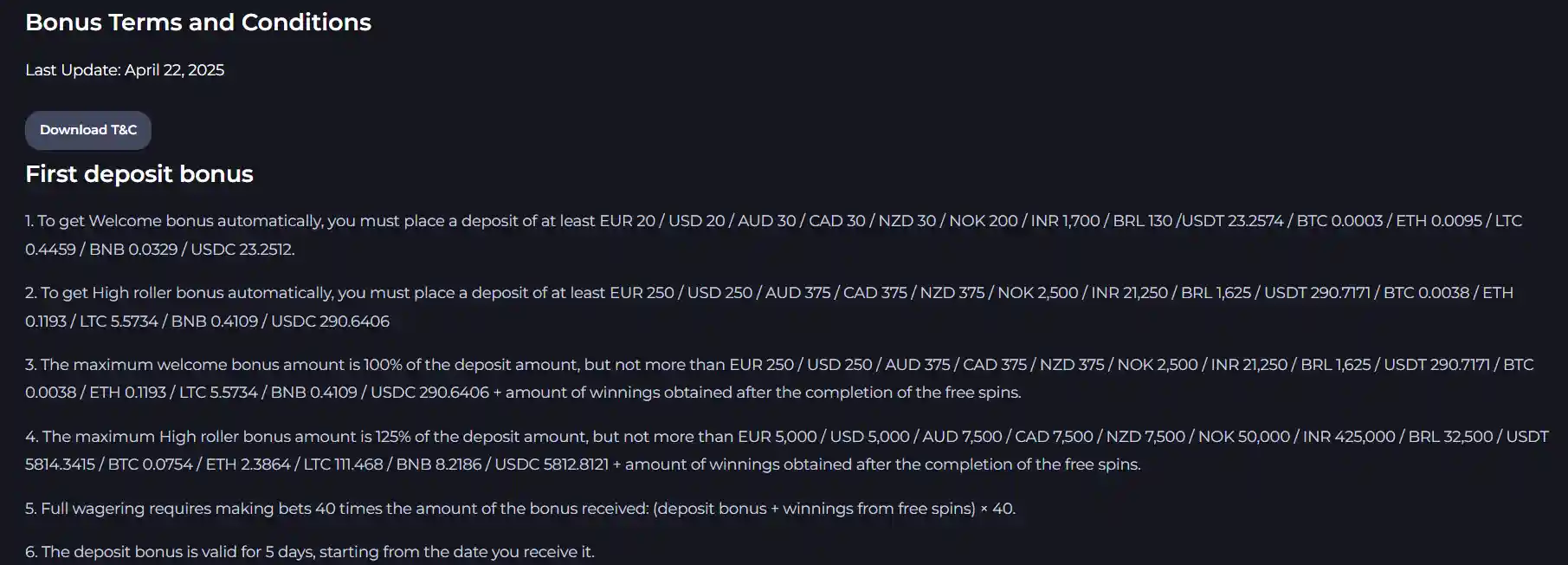
“Free credit” sounds like money you can simply collect and use. The small print can make that a very different deal. A PayID transfer is just a way to move money; it does not create bonus credit or remove the conditions attached to a promotion.
The key phrase to look for is wagering requirement. It sets how much qualifying play must take place before bonus-related winnings can be withdrawn. A specialist review of casino promotions reports requirements commonly in the range of 30x to 45x the bonus amount. That is a substantial condition, not a minor footnote. Check whether the multiplier applies to the bonus alone or to the deposit and bonus together, and read which games count towards it. The precise rules can differ between offers.
Attention: Wagering requirements (often 30x to 45x) must be met before bonus-related winnings can be withdrawn.
I’ve learned not to treat a bonus headline as its value. The amount offered tells you little without the qualifying rules beside it. Also check whether the offer has a deadline, a maximum bet while wagering, or other restrictions; those terms can affect whether winnings remain eligible. If the wording is unclear, don’t assume the friendliest interpretation. Small print matters.
PayID and a promotion are separate things. Seeing PayID in a payment menu does not mean a site is offering free credit, and paying by PayID does not make a bonus easier to clear. If an offer is described as PayID-only, verify the actual terms rather than relying on the label. “Free” can be costly in time and play.
How to Check Whether a Site Accepts PayID
Before creating an account or entering payment details, I look for PayID in the site’s

There is an important distinction here: seeing PayID listed only tells you that the payment option is presented. It does not establish that the service is lawful in Australia or say anything about the operator’s other qualities. The Interactive Gambling Act 2001 prohibits operators from providing real-money online casino games, including pokies, to people physically located in Australia. So a payment option should not be treated as an invitation or endorsement.
If you are checking how the payment details would need to line up, make sure the PayID you use is the one registered with your bank. Your bank account name should also match the name on the casino profile. A mismatch can create problems when the account details are checked, so it is better to spot it before attempting a transfer.
I’ve learned not to treat a familiar payment logo as the whole story. Check the cashier directly, read what it says about PayID, and make sure the details are consistent before sharing anything. If the option is missing or the instructions do not make sense, stop rather than guessing.
PayID is a payment method, not a test of whether a site is trustworthy, fair, or willing to pay. Keep those questions separate. No logo settles them.
PayID Claims You See on Facebook: Pause Before You Send
A post in a Facebook group can look convincing: a confident claim about PayID pokies, a screenshot, perhaps someone saying they have just been paid. None of that makes the person behind it trustworthy, and Facebook does not verify a casino or guarantee that a payment will come back to you.
I’ve learned not to let urgency do the thinking. If a stranger sends PayID details and tells you to transfer money quickly, stop before opening your banking app. A confirmed PayID transaction is irreversible. That means you cannot treat the transfer like a card payment you can simply cancel later if the story changes.
Check exactly who is asking for money and why, using a route independent of the post or message. Be especially wary if the recipient details do not match the name or explanation you were given. If anything feels off, do not send the transfer. A polished page and a stack of comments are not proof.
There is a larger point for people in Australia: the Interactive Gambling Act 2001 prohibits operators from providing real-money online casino games, including pokies, to people physically in the country. A Facebook post cannot change that legal position or make an offer legitimate.
I would rather miss a supposed opportunity than send money I cannot recover. Once confirmed, it is gone.
How do you deposit money into online casino sites using PayID?
At the banking level, you use the recipient’s PayID in your banking app, check the details and approve the transfer. PayID transfers are irreversible once confirmed, and real-money online casino games are prohibited for operators to provide to people located in Australia.
Do online casino sites in Australia use PayID?
Some sites accept PayID, but PayID is a bank payment method, not a casino service or a sign that a site is lawful. Operators are prohibited from providing real-money online casino games to people located in Australia.
How long do PayID withdrawals take?
After a casino approves a withdrawal, the transfer usually reaches your account the same day, typically within 12–24 hours. A casino’s pending and review process can extend the total time from request to receipt to around 2–4 days.
What is the key benefit of using PayID pokies?
PayID can move money quickly between participating banks, with deposits typically completed within seconds. PayID itself does not charge transfer fees, though a payment method does not establish that a casino service is lawful.
What are the limits?
Your bank sets your daily PayID transfer limit. Operators commonly set deposit minimums of AU$10–AU$20, while withdrawal minimums are often AU$20–AU$50.

Created by the ”JeetCity Casino” editorial team.